
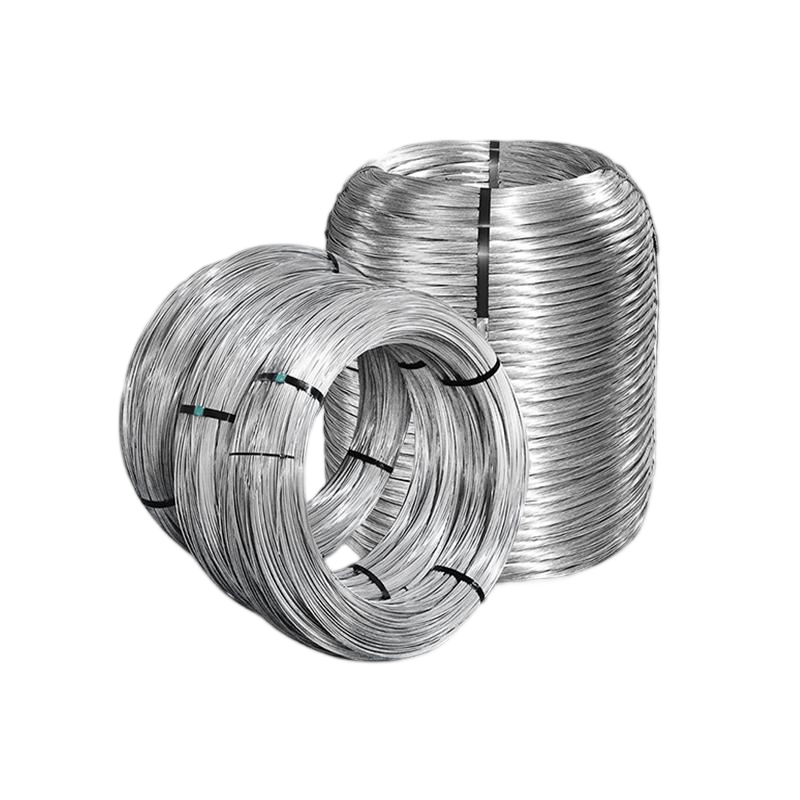
Galvanized wire is one of the most versatile products in the building hardware catalog—but it's also one of the most misunderstood. Choosing the wrong specification can lead to premature rust, structural failure, or unnecessary cost. This guide breaks down the three critical factors you need to know: zinc coating weight, tensile strength, and wire gauge.
1. Zinc Coating Weight: The First Line of Defense
Zinc coating weight (often expressed as g/m² or mils) determines how long the wire will resist corrosion in a given environment. The three common classes are:
- Class 1 (regular coating): 40-70 g/m² — suitable for indoor or dry climate use, expected life 2-10 years
- Class 3 (heavy coating): 230-280 g/m² — for moderate outdoor exposure, expected life 15-30 years
- Class A (extra heavy): 300+ g/m² — for coastal, industrial, or high-corrosion environments, 30+ years
WANSUN produces galvanized wire in all three classes using both hot-dip galvanizing (for Class 3 and A) and electro-galvanizing (for Class 1). Hot-dip provides thicker, more durable coatings and is recommended for any outdoor application.
2. Tensile Strength: Matching Wire to Application
Tensile strength determines how much load the wire can bear before breaking. Common specifications include:
- Low carbon (300-450 MPa): Ideal for binding, tying, and baling — flexible and easy to work with by hand
- Medium carbon (450-700 MPa): Used in fencing and light structural applications — balances strength and flexibility
- High carbon (700-1200 MPa): For high-tension fencing, spring wire, and structural reinforcement
For most agricultural fencing applications, medium carbon wire with Class 3 galvanizing is the sweet spot. For construction binding (rebar tie wire), low carbon annealed wire is preferred because it's easy to twist and won't damage the rebar.
3. Wire Gauge: Getting the Right Diameter
Wire gauge (BWG or SWG) determines the physical diameter of the wire. Lower gauge numbers mean thicker wire. Common selections:
| BWG Gauge | Diameter (mm) | Typical Application |
|---|---|---|
| 8-10 | 4.0-3.2 | Heavy fencing, vineyard support, structural |
| 12-14 | 2.8-2.2 | Standard field fencing, agricultural use |
| 16-18 | 1.6-1.2 | Poultry mesh, light binding, craft |
| 20-22 | 0.9-0.7 | Rebar tie wire, fine mesh, packing |
Quick Selection Matrix
| Application | Gauge | Coating | Tensile |
|---|---|---|---|
| Rebar Binding | 20-22 BWG | Class 1 (annealed) | Low carbon |
| Agricultural Fencing | 12-14 BWG | Class 3 (hot-dip) | Medium carbon |
| Coastal Fencing | 10-12 BWG | Class A (heavy) | Medium carbon |
| Poultry Enclosures | 16-18 BWG | Class 3 (hot-dip) | Low carbon |
| Vineyard/Trellis | 12-14 BWG | Class 3 (hot-dip) | Medium carbon |
Still unsure which specification is right for your project? Contact our technical team at sale@nailshardware.com with your application details, and we'll recommend the optimal wire specification within 24 hours.


