Field Fence
Field Fence
Heavy-duty field fence for livestock, sheep, and agricultural perimeter
- Knot Type
- Hinge Joint / Fixed Knot
- Material
- Galvanized Steel Wire
- Wire Gauge
- Top 2.5mm, Bottom 1.8-2.0mm
- Height
- 0.9m - 2.0m
- Roll Length
- 50m / 100m
Product Description
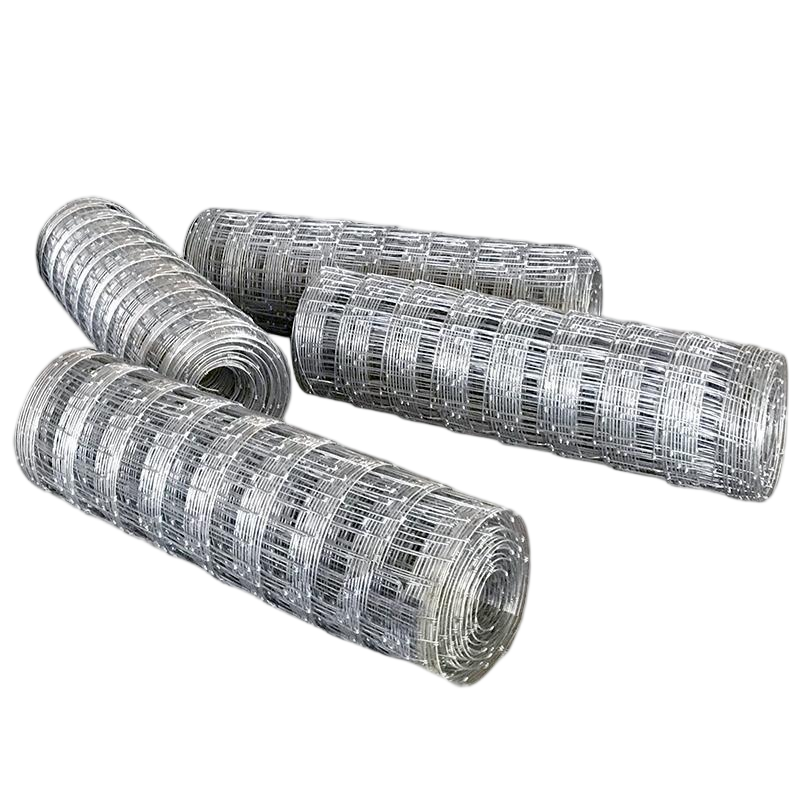
WANSUN Field Fence (also known as farm fence or cattle fence) is manufactured with graduated vertical wire spacing using a hinge joint knot construction. This design provides strength at the bottom for small animals and flexibility at the top for larger livestock. Ideal for cattle, sheep, goats, horses, and deer enclosures. The hinge joint allows the fence to absorb impact without breaking.
Full Specifications
| Material | Galvanized low carbon steel wire |
|---|---|
| Knot Type | Hinge joint (S knot), Fixed knot (C knot) |
| Top Wire Diameter | 2.0mm - 2.5mm (BWG 14-12) |
| Bottom Wire Diameter | 1.8mm - 2.0mm (BWG 15-14) |
| Line Wire (Horizontal) Count | 7 to 20 lines |
| Stay Wire (Vertical) Spacing | 150mm (6"), 200mm (8"), 300mm (12") |
| Graduated Spacing | Bottom 50mm, top 150-200mm |
| Fence Height | 0.9m (3'), 1.07m (42"), 1.2m (4'), 1.5m (5'), 1.8m (6'), 2.0m |
| Roll Length | 50m or 100m standard |
| Galvanizing | Class 1 (120g/sqm) or Class 3 (230g/sqm) |
| Tensile Strength | 500-900 MPa (high tensile option) |
| Standards | ASTM A116, EN 10223-4 |
Key Features
Hinge Joint Flexibility
Absorbs animal impact without breaking. Fence springs back after being pushed by livestock.
Graduated Mesh
Smaller openings at bottom for small animals, larger at top to save material and cost.
Class 3 Galvanized
Heavy zinc coating (230g/sqm) for 20+ year outdoor life in agricultural environments.
High-Tensile Option
High-tensile wire option (900 MPa) allows wider post spacing, reducing installation cost.
Applications
Cattle & Livestock
Sheep & Goats
Agricultural Perimeter
Wildlife Barriers
Frequently Asked Questions
What is the difference between hinge joint and fixed knot field fence?
Hinge joint (S knot) uses a wrap knot that allows the vertical wire to flex, absorbing animal impact. Fixed knot (C knot) uses a solid knot that provides maximum rigidity but does not flex. Hinge joint is preferred for cattle and horses; fixed knot is preferred for deer and high-pressure applications.
What height field fence do I need for cattle?
For cattle, 1.07m (42") or 1.2m (4") height is standard. For horses, 1.5m (5") or 1.8m (6") is recommended to prevent jumping. For sheep and goats, 0.9m (3") with small bottom openings prevents escape of young animals.
How far apart should fence posts be for field fence?
With standard field fence, posts should be spaced 3-5 meters apart. With high-tensile field fence on level terrain, spacing can be extended to 6-8 meters. On hilly terrain, reduce spacing and use additional posts at changes of grade.
What is the expected lifespan of galvanized field fence?
Class 1 galvanizing (120g/sqm) typically provides 10-15 years of life in temperate climates. Class 3 galvanizing (230g/sqm) provides 20-30 years. In coastal or highly corrosive environments, consider Class 3 or PVC-coated field fence.