
Galvanized Nails Manufacturer: How to Source and Specify
A galvanized nails manufacturer applies a zinc coating to steel nails to slow corrosion, producing fasteners suitable for humid and outdoor use. The two main methods — electro-galvanizing (EG) and hot-dip galvanizing (HDG) — differ in coating thickness, appearance and service life. For buyers, the key is specifying the right coating class for the environment, not just asking for "galvanized." A coastal deck and an indoor warehouse need very different protection.
What Is a Galvanized Nails Manufacturer?
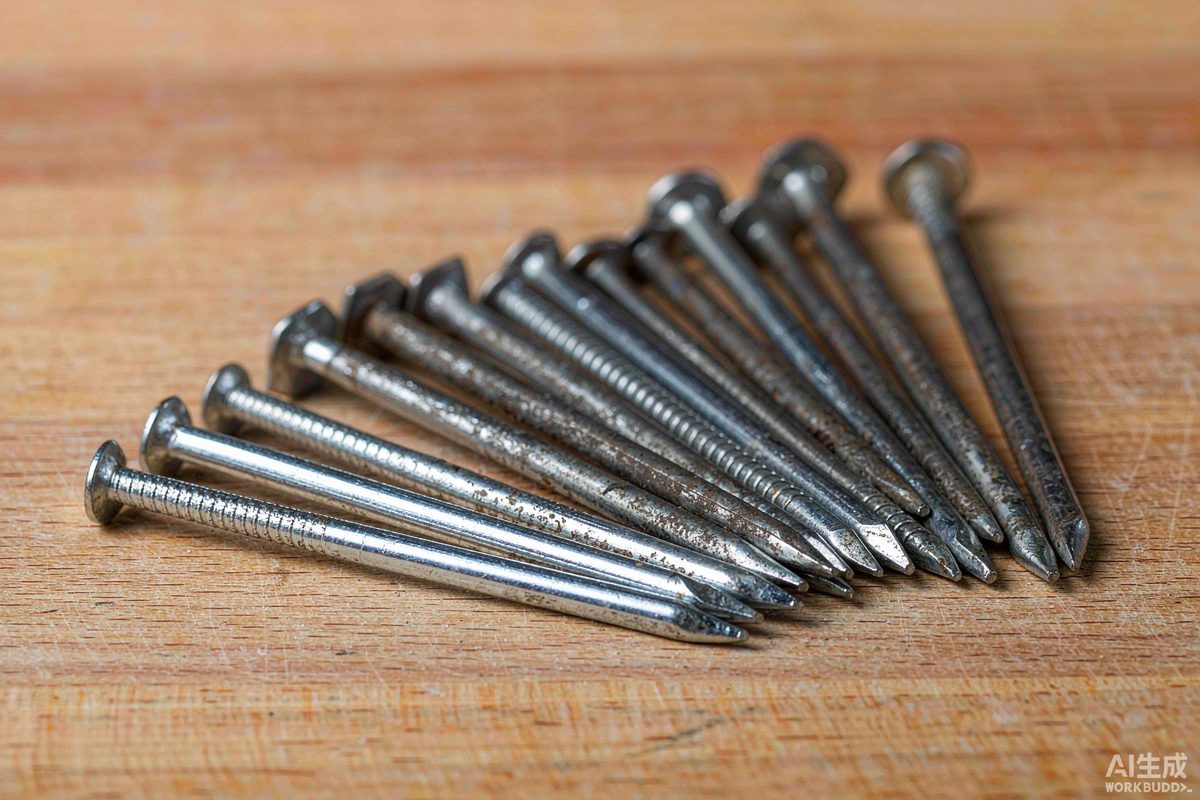
A galvanized nails manufacturer forms nails from steel wire, then deposits a zinc layer by electroplating or hot-dip immersion. The zinc acts as a sacrificial coating: it corrodes before the steel, extending service life in moist or chemically active environments.
Coating thickness is the core differentiator. Electro-galvanizing lays down a thin, bright, uniform layer; hot-dip galvanizing builds a thicker, duller, metallurgically bonded coating with much longer outdoor life. WANSUN pairs its galvanized range with low carbon steel wire sourcing to keep the base nail ductile under the coating.
How Are Galvanized Nails Made?
- Wire rod selection. Low-carbon steel wire graded for ductility.
- Wire drawing. Drawn to target gauge; diameter drives weight-per-count.
- Nail forming. Cut, head and point in one operation.
- Surface cleaning. Degreasing and pickling remove scale and oil.
- Galvanizing. EG by electroplating, or HDG by immersion in molten zinc.
- Passivation / finishing. Where specified, chromate-free passivation improves storage.
- Inspection. Coating thickness, appearance and dimensional checks.
- Packaging. Cartons with inner polybags, palletized for export.

Electro-Galvanized vs. Hot-Dip Galvanized
| Attribute | Electro-Galvanized (EG) | Hot-Dip Galvanized (HDG) |
|---|---|---|
| Coating thickness | Thin, uniform | Thick, variable |
| Appearance | Bright, shiny | Dull, spangled |
| Corrosion resistance | Moderate (humid indoor) | High (exterior, coastal) |
| Cost | Lower | Higher |
| Typical use | Indoor, mild humidity | Outdoor, roofing, fencing |
How to choose: Use EG where appearance and mild humidity matter and budget is tight. Use HDG for any exterior, roofing, fencing or coastal application where service life is the priority.
What Types of Galvanized Nails Are Produced?
Common and Box Nails
Galvanized common and box nails for framing and light carpentry in humid conditions. See common nails in bulk.
Roofing Nails
Wide-head, usually HDG or stainless, for shingles and membranes. Galvanized nail products cover roofing grades.
Concrete Nails (Galvanized)
Blued or EG finish for masonry where some corrosion resistance is needed.
Coil and Strip Nails
Collated galvanized nails for pneumatic nailers.
Ring and Spiral Shank Nails
Galvanized deformed shanks for flooring, fencing and pallets.
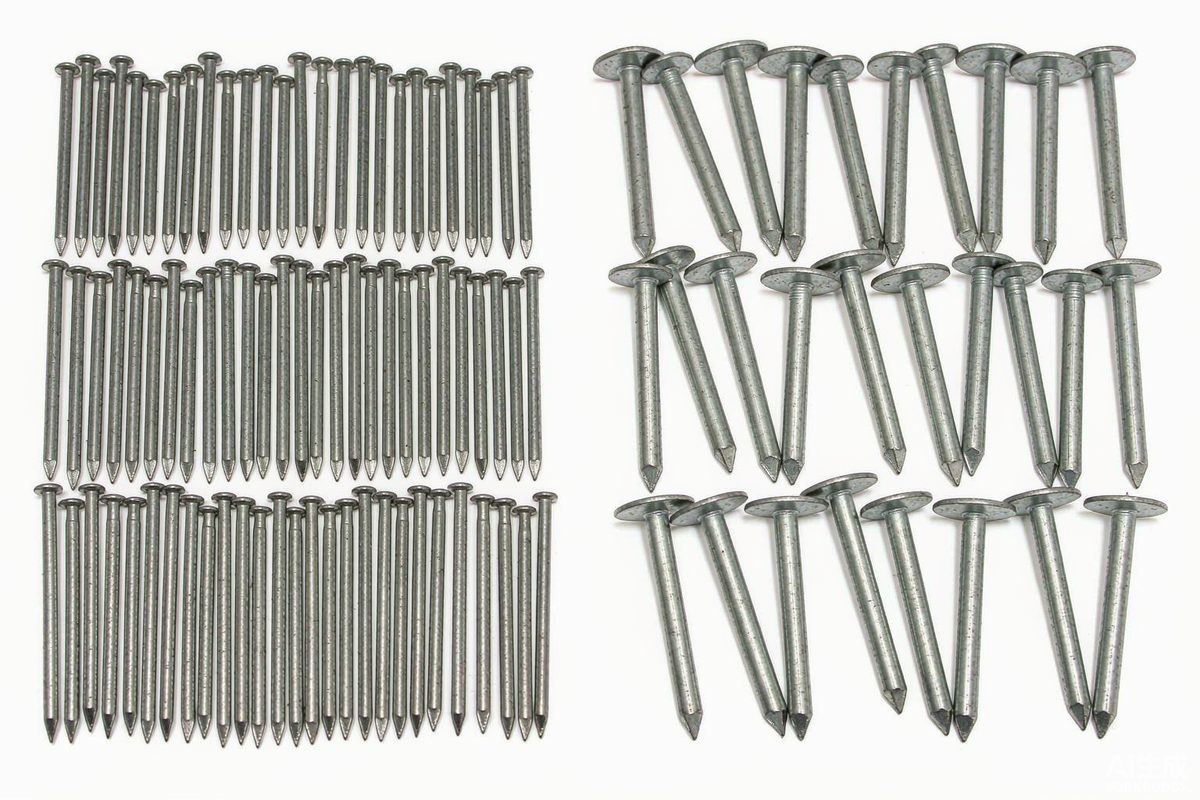
Comparison of Main Galvanized Nail Types
| Type | Material | Finish | Main Feature | Corrosion Resistance | Typical Application | Relative Cost |
|---|---|---|---|---|---|---|
| EG common nail | Low-carbon steel | Electro-galvanized | Bright, uniform | Medium | Indoor humid | Low–Medium |
| HDG common nail | Low-carbon steel | Hot-dip galvanized | Thick coating | High | Exterior framing | Medium |
| HDG roofing nail | Low-carbon steel | Hot-dip galvanized | Wide head | High | Shingles, felt | Medium |
| Stainless nail | Stainless steel | Bare | Best corrosion | Very High | Coastal, chemical | High |
| EG coil nail | Low-carbon steel | Electro-galvanized | Pneumatic collation | Medium | Interior framing | Medium |
Common Applications
Construction and Framing
HDG nails for exterior walls and humid interiors; EG for dry indoor framing.
Roofing
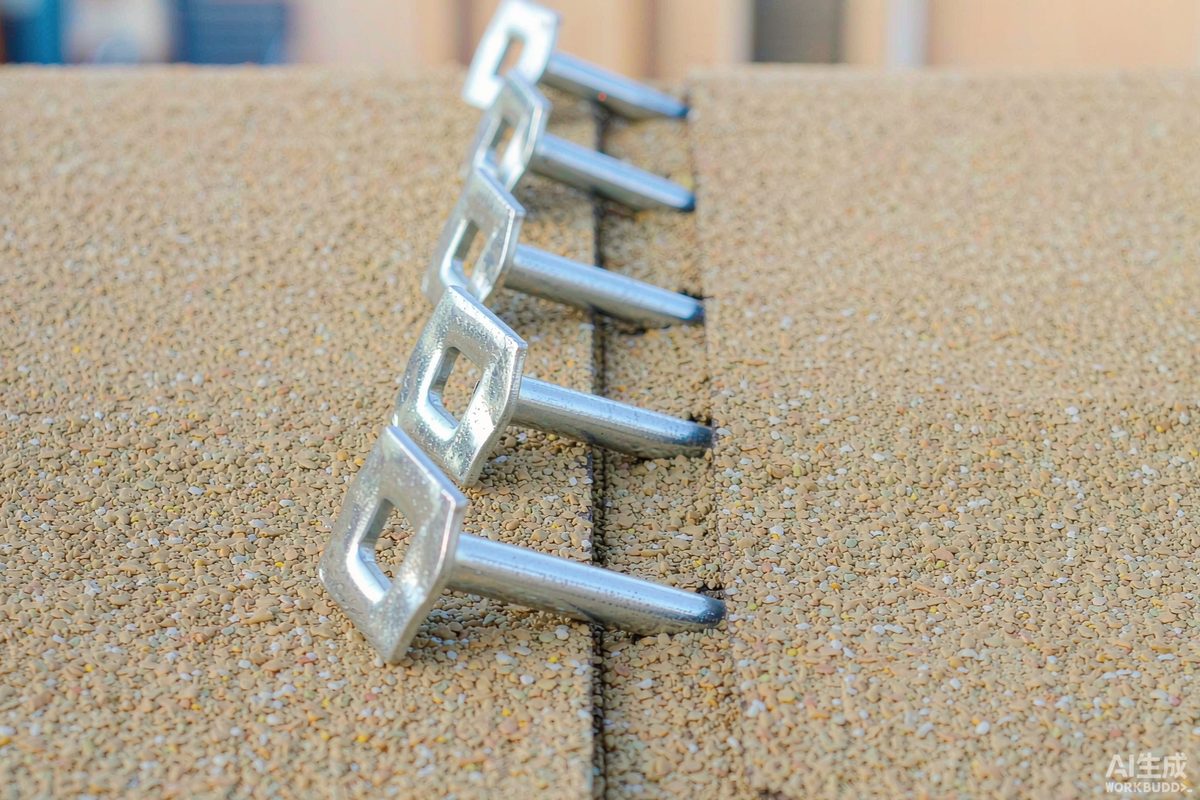
Hot-dip galvanized roofing nails are the standard for shingles; ring shank in wind zones.
Fencing and Outdoor
HDG or stainless ring shank for moisture cycling. Pair with galvanized fence posts.
Coastal and Industrial
Stainless or heavy HDG where salt or chemicals accelerate corrosion.
Pallet and Packaging
EG or HDG depending on storage humidity.
What Specifications Should Buyers Check?
- Material grade — low-carbon or stainless.
- Length — inches and millimeters.
- Wire diameter / gauge — BWG, AWW or millimeters.
- Head and shank — type, diameter, smooth/ring/spiral/fluted.
- Surface treatment — EG or HDG, with coating class.
- Coating mass — reference ASTM A641 (EG wire) and ASTM A153 (HDG fasteners); confirm the applicable class.
- Bending performance — ASTM F1667 (US), EN 14592 (Europe) for timber fasteners. Requirements may vary by application, market and applicable standard.
- Tolerance — on length and diameter.
- Count per unit weight.
- Packaging — carton weight/count, pallet pattern, labels.
- Customization — private label, retail packs.
How to Choose a Galvanized Nails Manufacturer
- Confirm both EG and HDG capability if you need both finishes.
- Ask for coating classes — not just "galvanized."
- Request certificates for the declared coating mass.
- Check QC — coating thickness measured per batch.
- Verify base material — ductile low-carbon for wood nails.
- Review packaging — bulk and retail options, label accuracy.
- Confirm export experience — loading, documentation, destination familiarity.
- Plan lead time — HDG lines often run longer cycles.
Coating Class and Standard Selection
Coating class defines minimum zinc mass. In the US, ASTM A641 covers EG wire coating and ASTM A153 covers HDG fasteners; in Europe, EN 14592 applies to timber fasteners and related coating references. Always state the required class in the RFQ and confirm it on the mill certificate. Requirements may vary by application, market and applicable standard — a coastal specification is not the same as a warehouse specification.

How to Inspect Galvanized Nail Quality
- Dimensional inspection — length, shank diameter, head diameter.
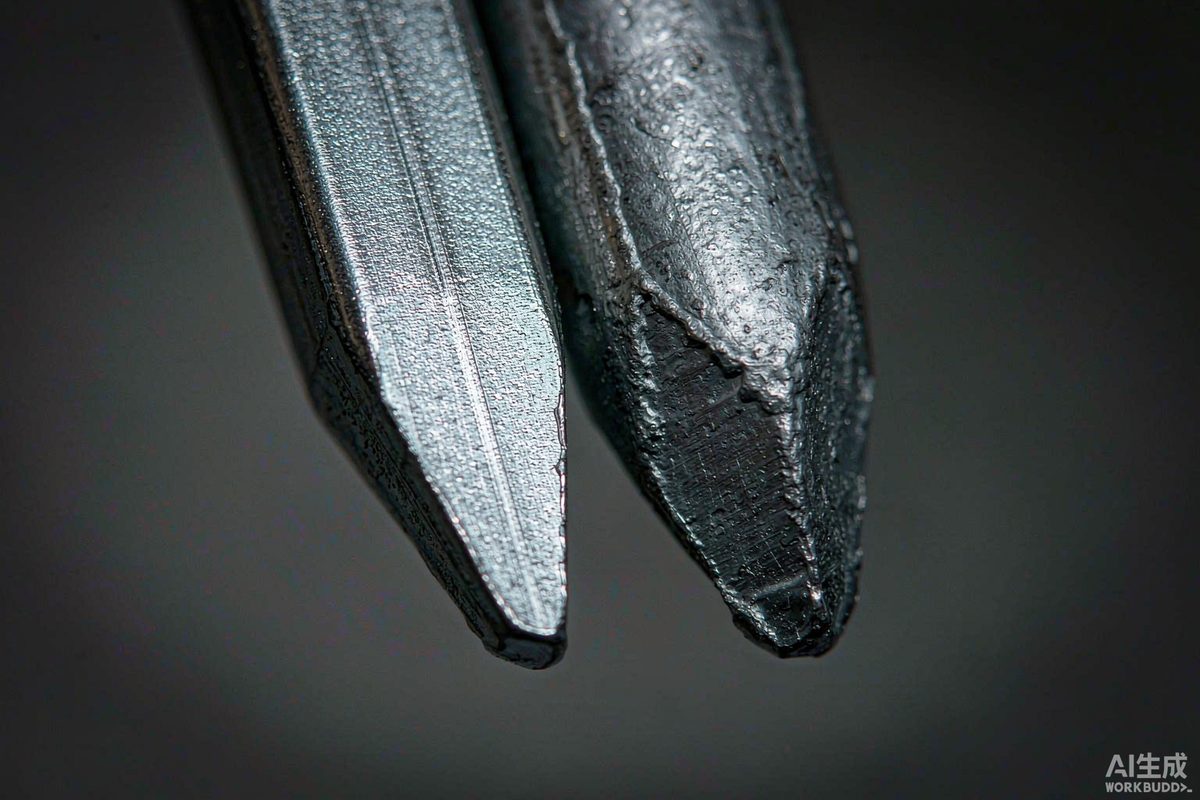
- Surface inspection — bare spots, zinc lumps blocking points, blisters.
- Material verification — mill certificates; bend test for brittleness.
- Coating inspection — measure coating thickness or mass; verify class on certificate.
- Mechanical testing — where ASTM F1667 or EN 14592 applies, commission accredited tests.
- Installation test — drive into representative substrate; coating should not crack excessively.
- Packaging inspection — carton, net weight, label, pallet pattern.
What Information Should Be Included in an RFQ?
- Product type
- Material grade
- Dimensions (length and gauge)
- Head and shank details
- Surface treatment and coating class
- Required standard (if any)
- Packaging and labels
- Order quantity and annual volume
- Destination port
- Intended application
- Drawing, sample or reference image
How to Choose a Reliable Supplier
- Raw-material sourcing — traceable mills, certificates.
- Manufacturing capability — EG and HDG lines, nail machines in-house.
- Quality-control process — coating measured per batch, documented.
- Specification consistency — recent batch data, watch coating drift.
- Test reports — coating certificates and standard test reports.
- Sample availability — quick shipment of exact spec.
- Custom packaging — retail boxes, private labels.
- Export experience — loading, ISPM-15 pallets where needed, documentation.
- Production lead time — realistic, with safety stock.
- Complaint handling — agreed claim process.
Frequently Asked Questions
What is the difference between EG and HDG nails?
EG is a thin, bright electroplated zinc layer for mild humidity; HDG is a thick, hot-dipped coating for exterior and coastal service with much longer life.
Do galvanized nails rust?
The zinc coating corrodes first, protecting the steel. EG resists indoor humidity; HDG and stainless resist outdoor and coastal exposure far longer. Bright (uncoated) nails will rust in moisture.
What coating class should I specify?
State the class from the relevant standard (ASTM A641 for EG wire, ASTM A153 for HDG fasteners). Requirements vary by application and market.
Are galvanized nails suitable for coastal use?
HDG is suitable for many coastal applications; severe salt exposure may call for stainless steel. Confirm with your corrosion environment.
How do I verify coating quality?
Request the coating class on the certificate and commission a coating-mass test where contracted; visually check for bare spots and lumps.
What is a typical MOQ?
Standard bulk items have lower MOQs; custom or retail-packed items are higher. Trial orders are often possible.
Can I get OEM packaging?
Yes. Most support private labels and retail boxes at container scale, subject to packaging MOQ.
How do I get samples?
Send your spec and application; request reference samples. Custom items may need a sample fee.
Source Galvanized Nails from WANSUN
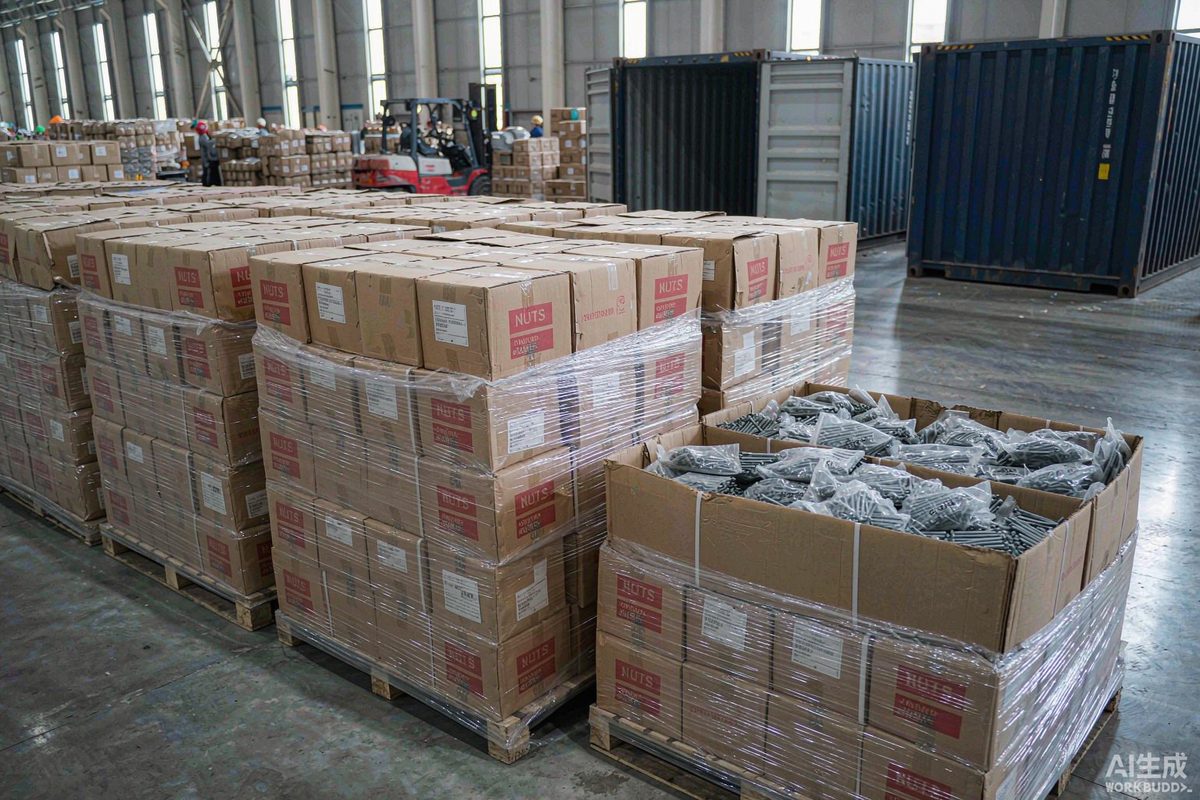
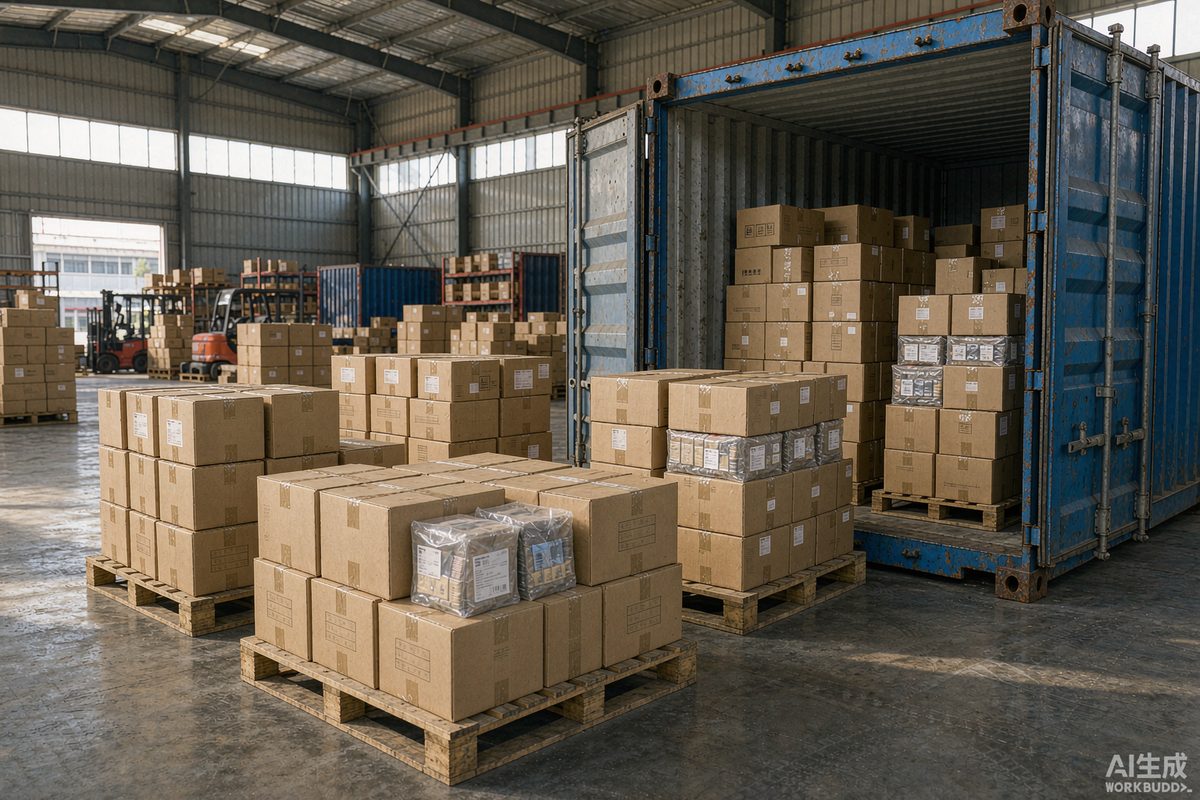
WANSUN, from Qingdao Wansun Technology Co., Ltd., manufactures and exports galvanized nails, iron wire, wire mesh and fencing products to importers, distributors and project buyers worldwide. We supply common, box, roofing, concrete, coil and ring shank nails with electro-galvanized and hot-dip galvanized finishes, plus stainless options for corrosive environments. Specification customization, OEM packaging, pre-shipment inspection support and export-standard container loading are part of our service. Send your product type, size, material, surface treatment, coating class, packaging, order quantity and destination port for a concrete quotation and realistic lead time.
Request a Quote | Send Your Specifications | Ask for a Sample | Contact WANSUN


