
Concrete Steel Nails: Types, Specifications and Applications
Concrete steel nails are hardened steel fasteners designed to be driven into masonry — concrete, brick and mortar — without bending. Unlike wood nails, they are heat-treated for hardness and usually have a fluted or knurled shank that grips the substrate. For buyers, the critical points are hardness, shank profile and length: too soft and the point folds; too brittle and the head snaps under the hammer. Specifying correctly prevents both failure modes.
What Are Concrete Steel Nails?
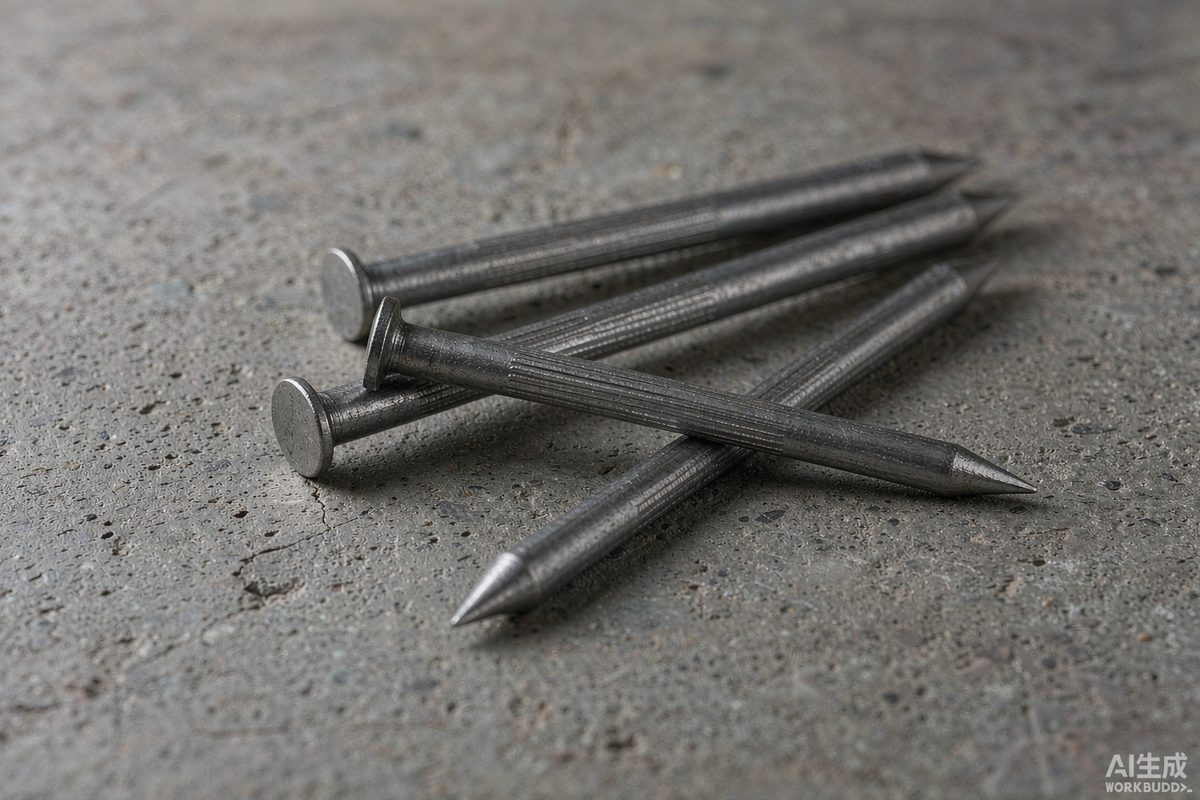
Concrete steel nails are fasteners made from hardened steel, formed with a thick shank and a hardened, often fluted point. The heat treatment gives them the hardness to penetrate masonry, while the flutes or knurling provide mechanical grip. They are not structural wood nails and should not be substituted where ductility is required.
Most are produced from medium- or high-carbon steel, then quenched and tempered to a hardness that balances penetration and head strength. A common mistake buyers make is assuming "steel nail" means one product — concrete nails and common wire nails are different materials and processes. WANSUN sources base wire suitable for low carbon steel wire families and applies dedicated hardening for masonry grades.
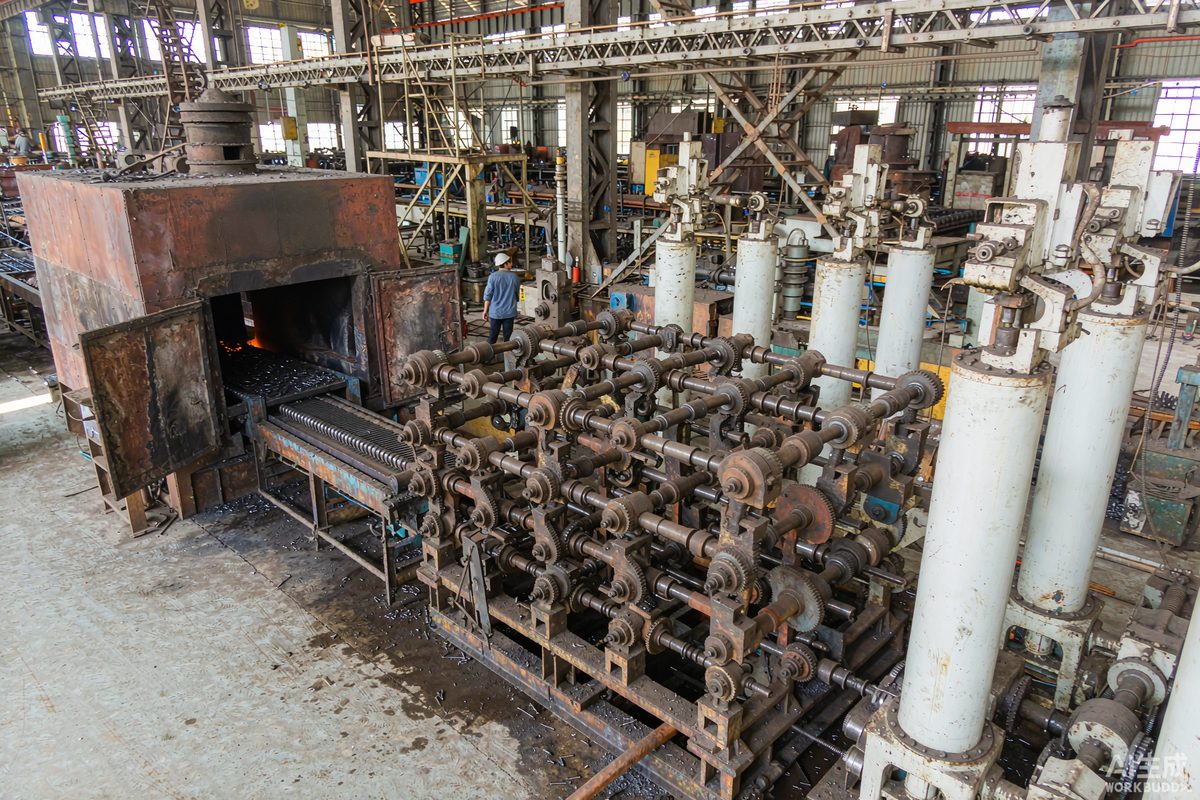
How Are Concrete Steel Nails Manufactured?
- Wire selection. Medium/high-carbon steel chosen for hardness potential.
- Wire drawing. Drawn to the thick shank diameter typical of masonry nails.
- Nail forming. Cut, head and point in one operation; point often fluted.
- Heat treatment. Quench and temper to reach target hardness.
- Surface cleaning. Remove scale and oil.
- Surface treatment. Blued, electro-galvanized or plain, depending on need.
- Inspection. Hardness and dimensional checks.
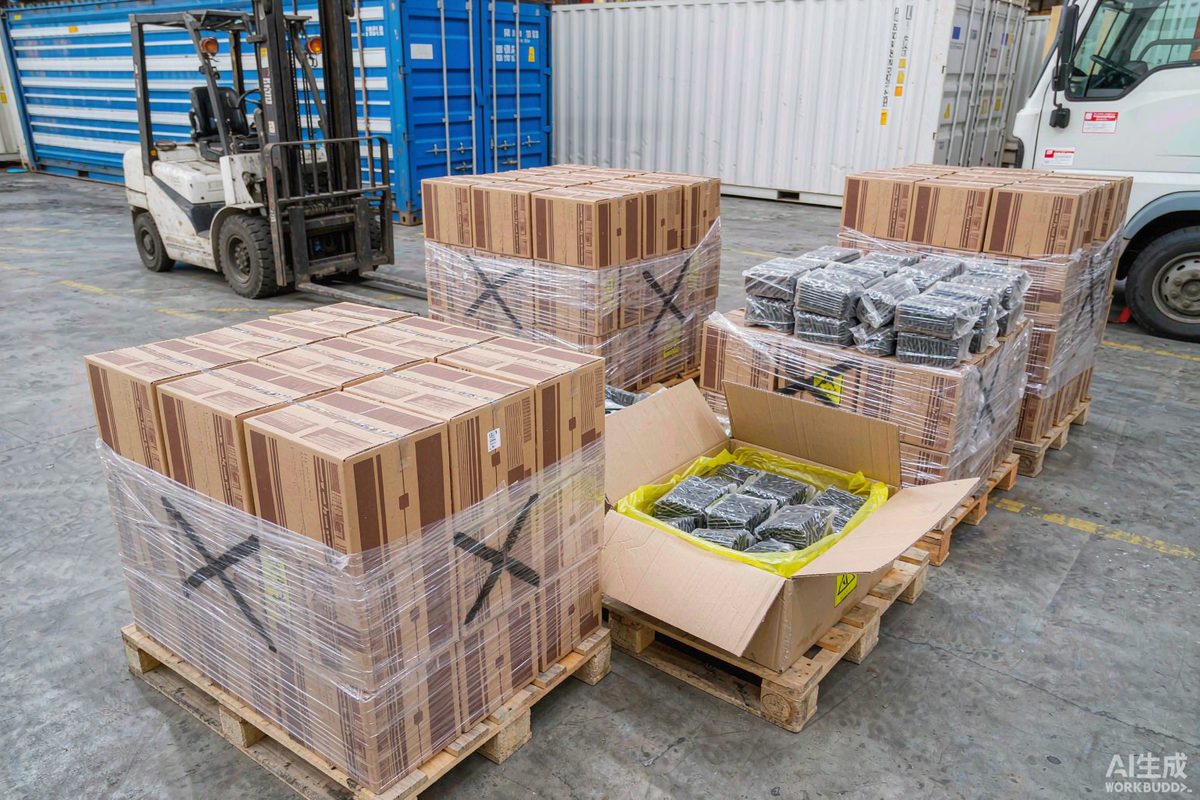
- Packaging. Cartons with inner polybags, palletized for export.
What Types of Concrete Steel Nails Are Available?
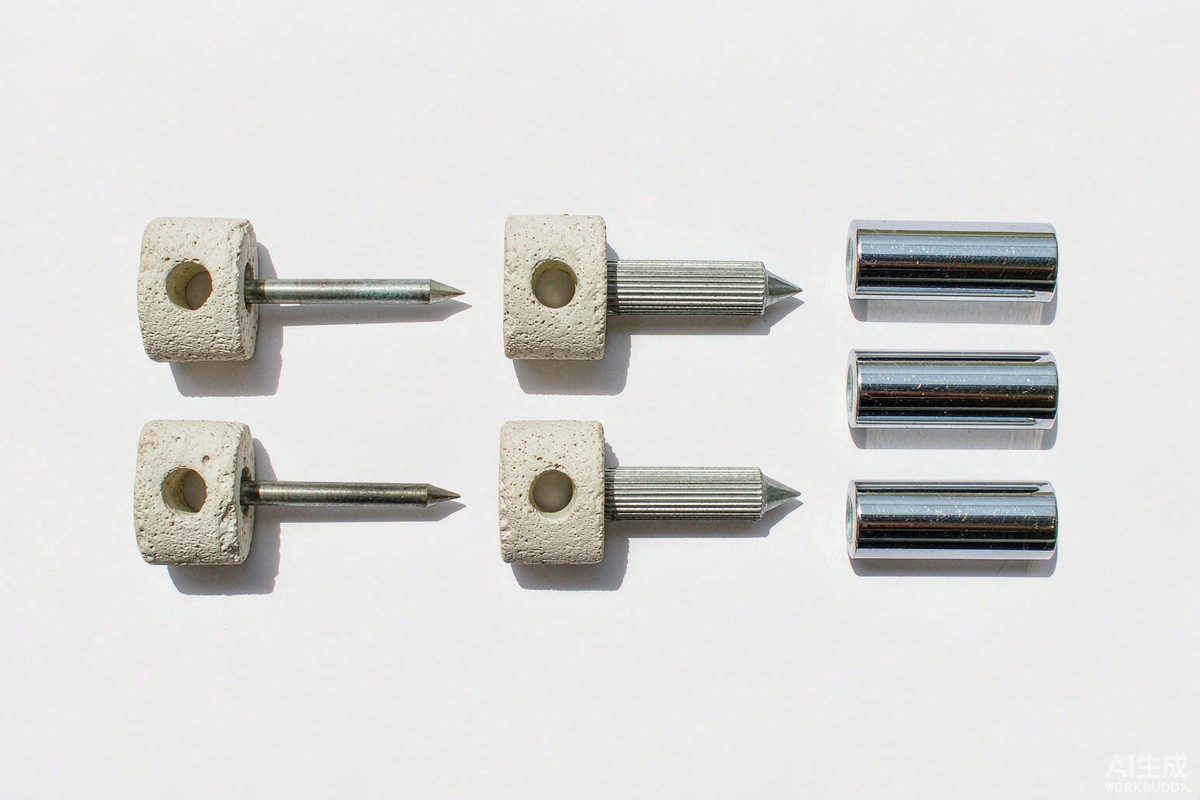
Smooth Shank Concrete Nails
Plain hardened nail for general masonry fixing into softer substrates.
Fluted / Knurled Shank Concrete Nails
Flutes along the shank increase grip in concrete and brick. See concrete nails product range.
Galvanized Concrete Nails
Blued or EG finish where limited corrosion resistance is needed.
Drive Pins / Shot-Pin Style
For powder-actuated systems — a different installation method, often specified separately.
Common Steel Nails (reference)
Standard wood nails for comparison; not for masonry. Common nails in bulk.
Comparison of Main Concrete Nail Types
| Type | Material | Surface Treatment | Main Feature | Corrosion Resistance | Typical Application | Relative Cost |
|---|---|---|---|---|---|---|
| Smooth concrete nail | Hardened steel | Blued, EG | General masonry | Low–Medium | Soft masonry | Low |
| Fluted concrete nail | Hardened steel | Blued, EG | High grip | Low–Medium | Concrete, brick | Medium |
| Galvanized concrete nail | Hardened steel | EG | Light corrosion resistance | Medium | Damp masonry | Medium |
| Drive pin | Hardened steel | Plain | Tool-actuated | Low | Heavy fixing | Medium |
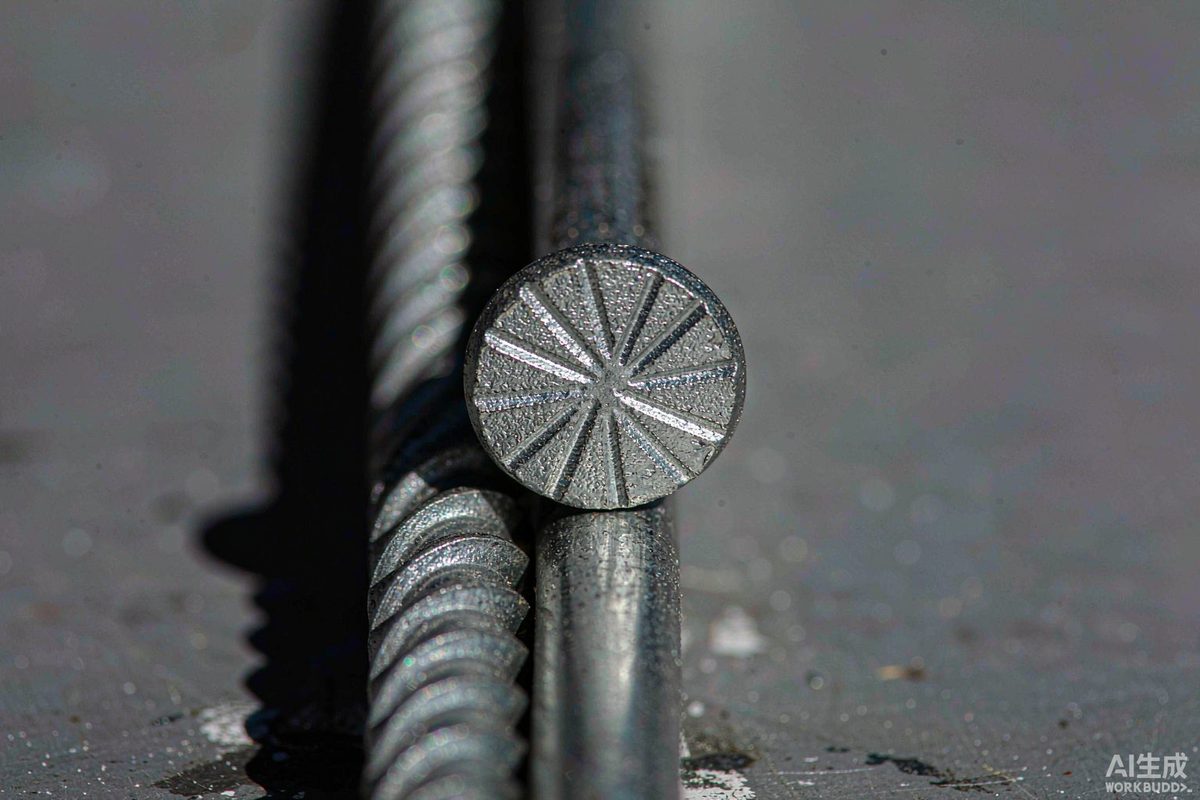
Common Applications of Concrete Steel Nails
Fixing to Masonry
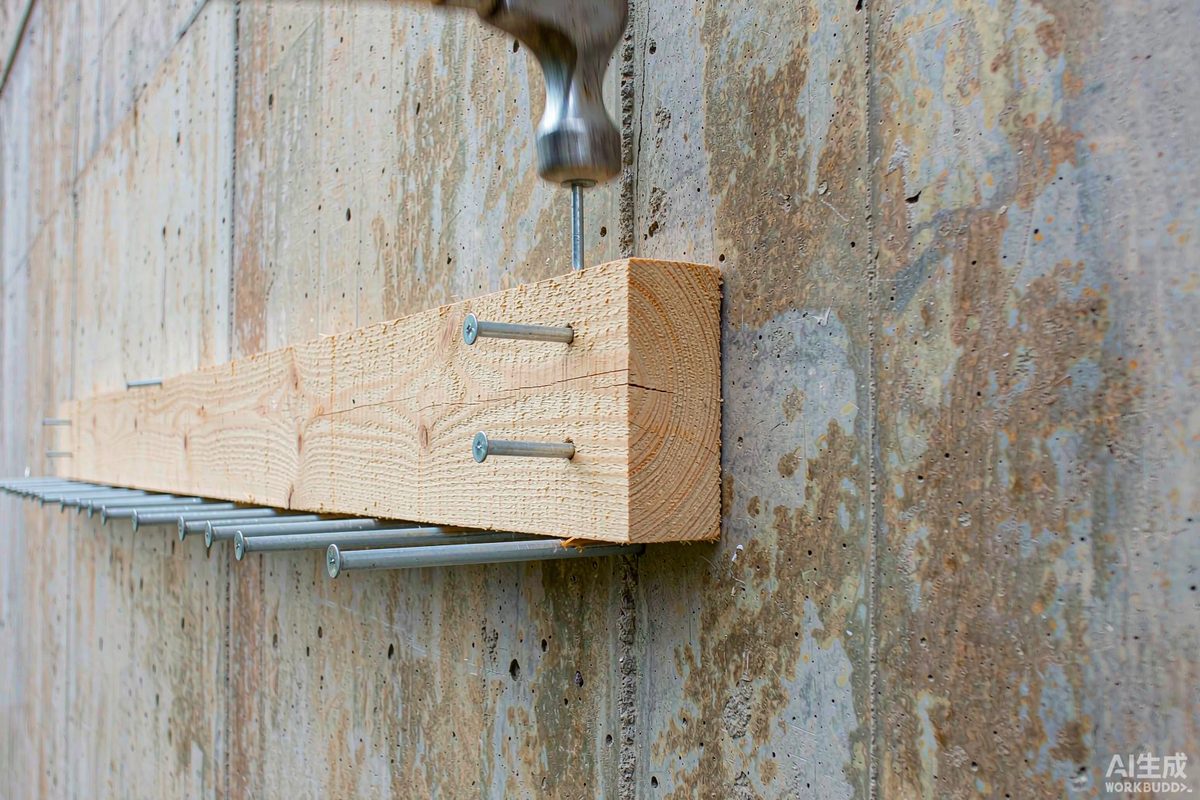
Attaching battens, furring strips, conduit and timber to concrete or brick walls.
Electrical and Mechanical Fit-out
Securing cable trays, trunking and light fixtures to masonry substrates.
Formwork and Scaffolding
Temporary steel fixings where nails are removed after use.
Skirting and Trim
Fixing wooden trim to masonry walls in renovation.
Industrial Maintenance
General plant and workshop masonry fixing.
What Specifications Should Buyers Check?
- Material / hardness — hardened steel; requested hardness range where critical.
- Length — inches and millimeters; concrete nails are typically short.
- Shank diameter — thicker than wood nails for the same length.
- Shank profile — smooth, fluted or knurled.
- Point type — fluted or hardened diamond point.
- Head type — flat or countersunk; head strength under impact.
- Surface treatment — blued, EG or plain.
- Coating — EG class where specified; reference ASTM A641 for EG wire.
- Bending / hardness testing — where contracted, witness accredited tests.
- Tolerance — on length and diameter.
- Packaging — carton weight/count, pallet pattern, labels.
- Customization — private label, retail packs.
How to Choose the Right Concrete Steel Nails
- Substrate first. Harder concrete needs fluted shanks and correct hardness.
- Indoor or outdoor. Damp or exterior use justifies galvanized finish.
- Fixing load. Light battens need less; heavy items need fluted grip.
- Installation method. Hammer vs. powder-actuated tool changes the product.
- Base material behind masonry. Avoid nailing where services or rebar hide.
- Local standards. Some markets reference hardness or test methods. Requirements may vary by application, market and applicable standard.
- Budget. Fluted and galvanized cost more than plain smooth nails.
Concrete Nails vs. Common Nails
| Attribute | Concrete Steel Nails | Common Nails |
|---|---|---|
| Material | Hardened steel | Low-carbon steel |
| Hardness | High (heat-treated) | Low (ductile) |
| Shank | Thick, often fluted | Thinner, smooth |
| Substrate | Concrete, brick, mortar | Wood |
| Brittleness | Higher (do not bend) | Low (bends) |
| Use | Masonry fixing | Wood framing |
How to choose: Use concrete steel nails only for masonry; never substitute them for common nails in wood, and never use common nails where masonry penetration is required.
How to Inspect Concrete Nail Quality
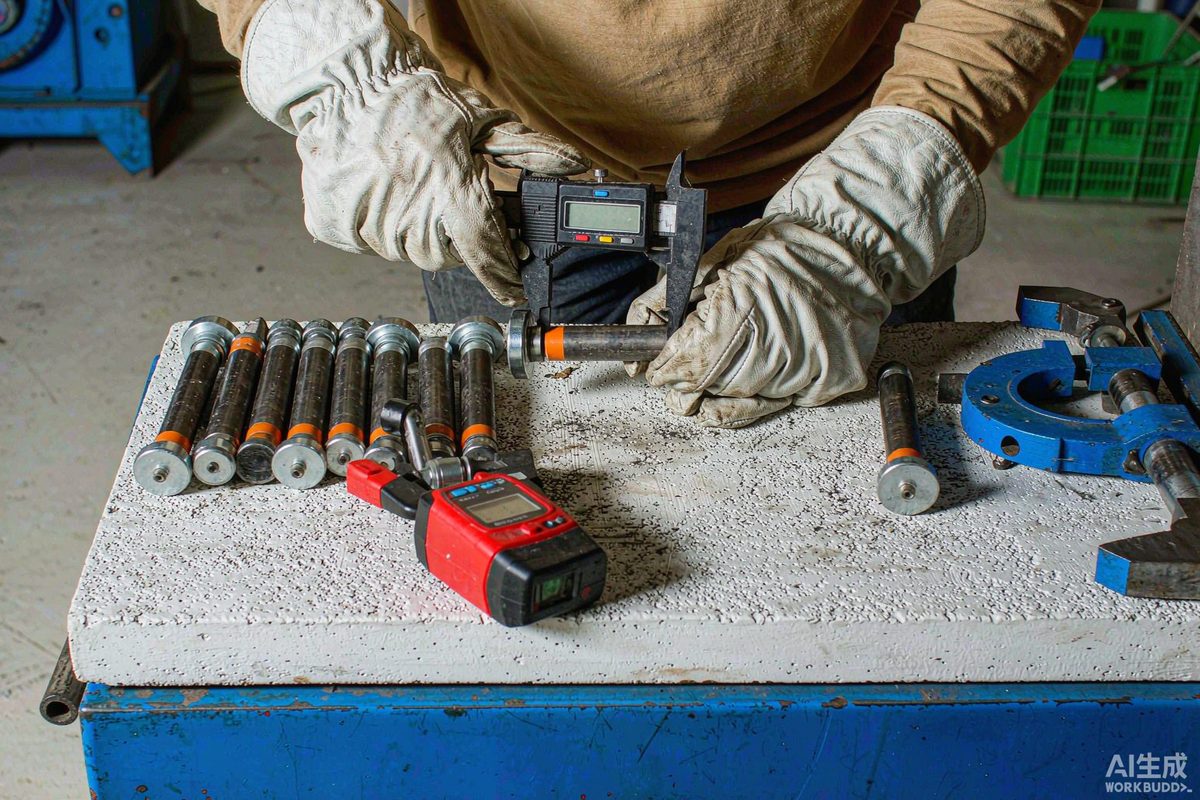
- Dimensional inspection — length, shank diameter, head diameter.
- Surface inspection — cracks, burrs, blunt or malformed points.
- Hardness testing — verify the hardened range where contracted.
- Material verification — mill certificates for the steel grade.
- Coating inspection — uniform coverage where galvanized.
- Installation test — drive into representative masonry; point should penetrate without folding, head without snapping.
- Packaging inspection — carton, net weight, label, pallet pattern.
What Information Should Be Included in an RFQ?
- Product type
- Material / hardness requirement
- Dimensions (length and diameter)
- Shank profile (smooth/fluted)
- Head type
- Surface treatment
- Required standard (if any)
- Packaging and labels
- Order quantity and annual volume
- Destination port
- Intended application
- Drawing, sample or reference image
How to Choose a Reliable Supplier
- Raw-material sourcing — traceable steel, certificates.
- Manufacturing capability — heat-treatment and nail lines in-house.
- Quality-control process — hardness and dimensional checks documented.
- Specification consistency — recent batch data, watch hardness drift.
- Test reports — hardness and coating certificates.
- Sample availability — quick shipment of exact spec.
- Custom packaging — retail boxes, private labels.
- Export experience — loading, documentation, destination familiarity.
- Production lead time — realistic, with safety stock.
- Complaint handling — agreed claim process.
Frequently Asked Questions
What are concrete steel nails used for?
Fixing timber, battens, conduit and trim to concrete, brick and mortar where wood nails cannot penetrate.
Are concrete nails the same as common nails?
No. Concrete nails are hardened steel for masonry; common nails are ductile low-carbon steel for wood. They are not interchangeable.
Do concrete nails rust?
Blued and plain versions rust in moisture; electro-galvanized versions resist humidity better. For exterior masonry, specify galvanized.
How do I choose smooth vs fluted?
Fluted shanks grip harder concrete and brick better; smooth shanks suit softer masonry and lighter loads.
What hardness should they have?
Enough to penetrate without the point folding, but not so brittle the head snaps. State a hardness range where critical and verify by test.
What is the typical MOQ?
Standard bulk items carry lower MOQs; custom or retail-packed items are higher. Trial orders are often possible.
How are they packed for export?
Bulk cartons with inner polybags, palletized; retail uses printed boxes. Confirm at RFQ.
How do I get samples?
Send your spec and application; request reference samples. Custom items may need a sample fee.
Source Concrete Steel Nails from WANSUN
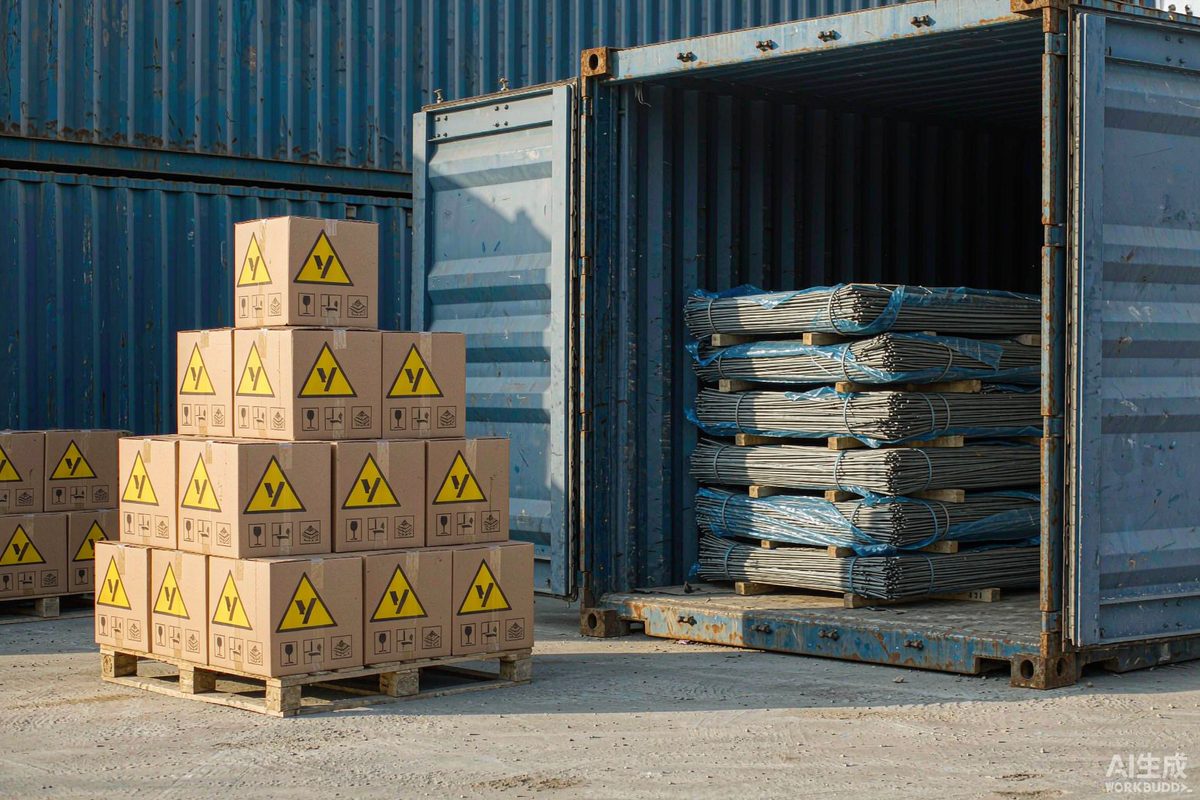
WANSUN, from Qingdao Wansun Technology Co., Ltd., manufactures and exports concrete steel nails, common nails, iron wire, wire mesh and fencing products to importers, distributors and project buyers worldwide. We supply smooth and fluted concrete nails in hardened steel, with blued or electro-galvanized finishes, across common masonry lengths. Specification customization, OEM packaging, pre-shipment inspection support and export-standard container loading are part of our service. Send your product type, size, hardness, surface treatment, packaging, order quantity and destination port for a concrete quotation and realistic lead time.
Request a Quote | Send Your Specifications | Ask for a Sample | Contact WANSUN


