
Common Wire Nails: Types, Sizes and Buyer's Guide
Common wire nails are the standard steel nails used for framing, formwork and general carpentry — drawn from low-carbon wire, formed with a flat head, smooth shank and diamond point. They are the reference product against which other nails are compared because they balance shear strength, cost and availability. For importers and distributors, getting the gauge, length and finish right is what keeps stock moving and claims low.
What Are Common Wire Nails?
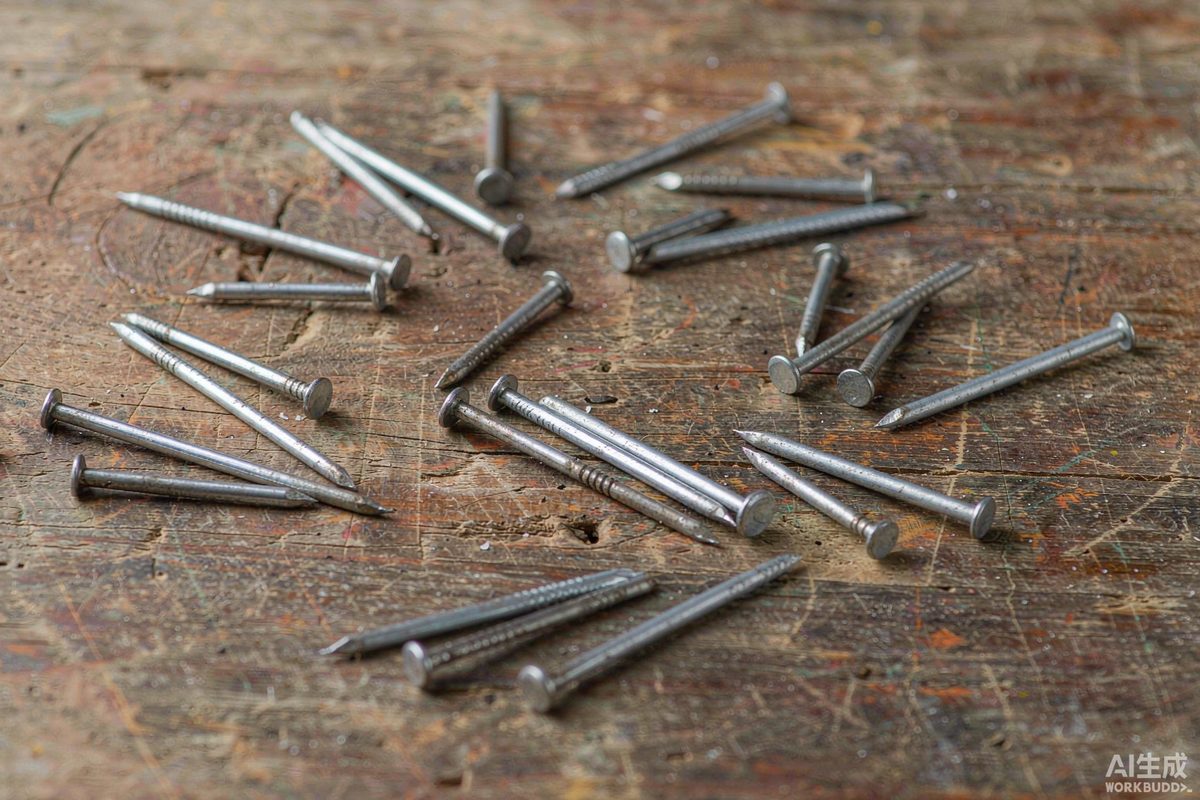
Common wire nails are mechanical fasteners made from drawn steel wire, with a flat or slightly countersunk head, a thick smooth shank and a diamond point. They are the workhorse of wood construction: high shear strength, easy to drive, and available in the widest size range of any nail type.
Most are produced from low-carbon steel wire rod (commonly Q195/Q235 or equivalent), which bends rather than snaps under load. Bright (uncoated) common nails suit dry indoor use; electro-galvanized and hot-dip galvanized versions extend service life outdoors. WANSUN anchors its nail range on consistent low carbon steel wire sourcing.
How Are Common Wire Nails Manufactured?
- Wire rod selection. Low-carbon steel checked for grade and diameter.
- Wire drawing. Drawn to the target gauge; diameter drives weight-per-count.
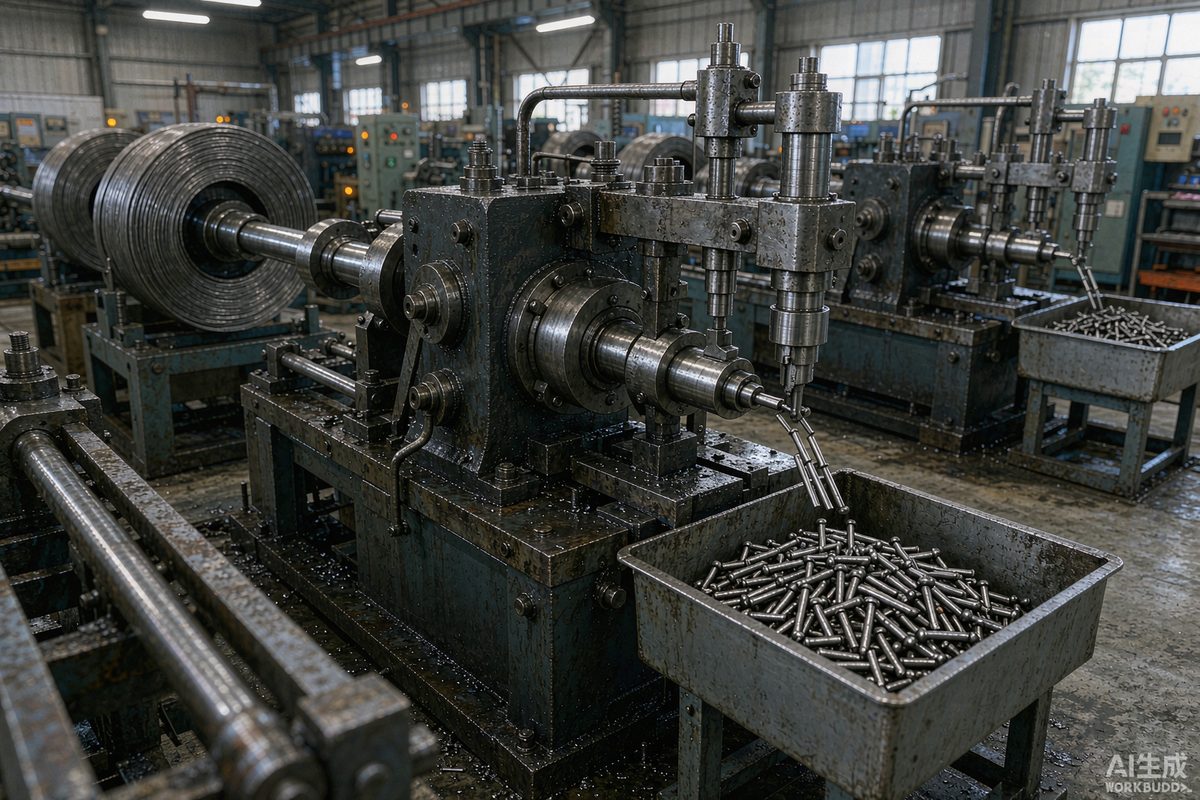
- Nail forming. Cut, head and point in one operation.
- Surface cleaning. Remove drawing lubricant and scale.
- Surface treatment. Bright, EG or HDG finish by specification.
- Inspection. Dimensional and coating checks.
- Packaging. Cartons with inner polybags, palletized for export.
What Types of Common Wire Nails Are Available?
Standard Common Nails
Flat head, thick smooth shank, diamond point. The default for framing and formwork. See common nails in bulk.
Galvanized Common Nails
EG or HDG finish for humid and exterior use. Galvanized nail products cover both.
Box Nails
Thinner shank, less splitting in thin lumber.
Sinker / Framing Nails
Slightly countersunk head, often vinyl-coated, for pneumatic framing.
Duplex Nails
Double head for temporary structures and formwork.
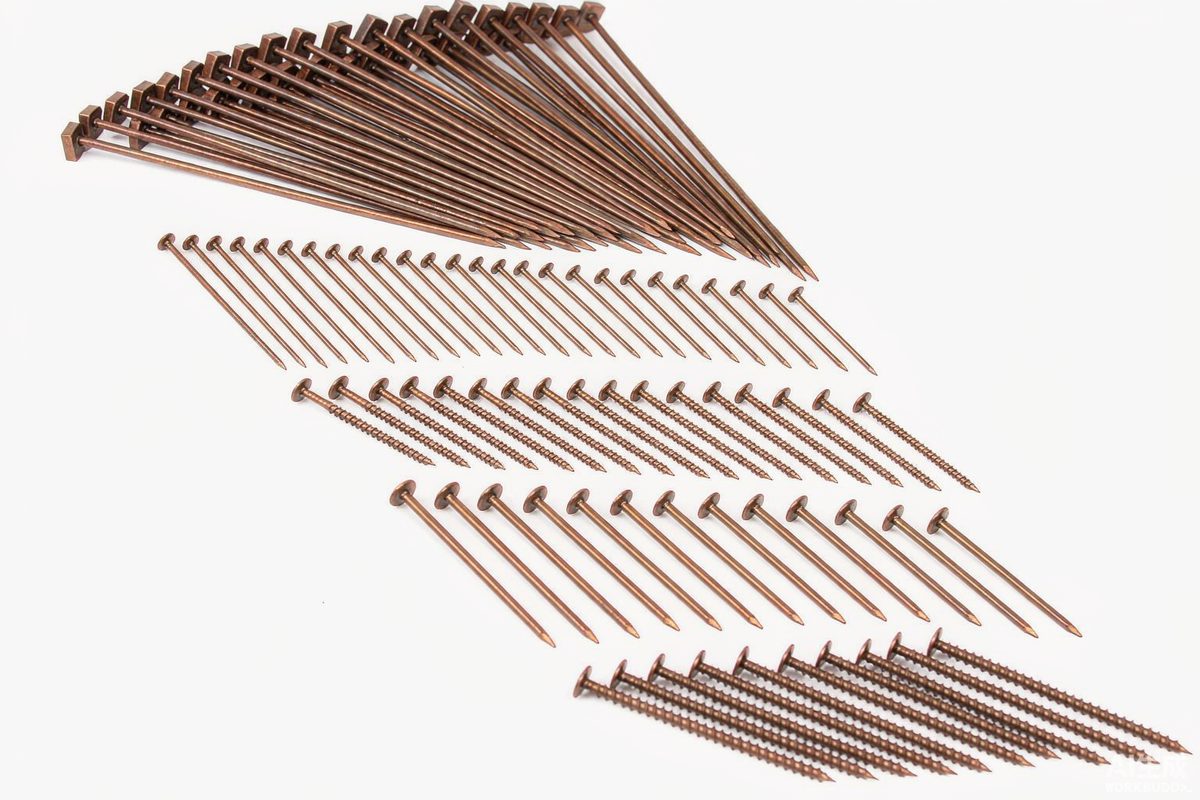
Ring Shank Common Nails
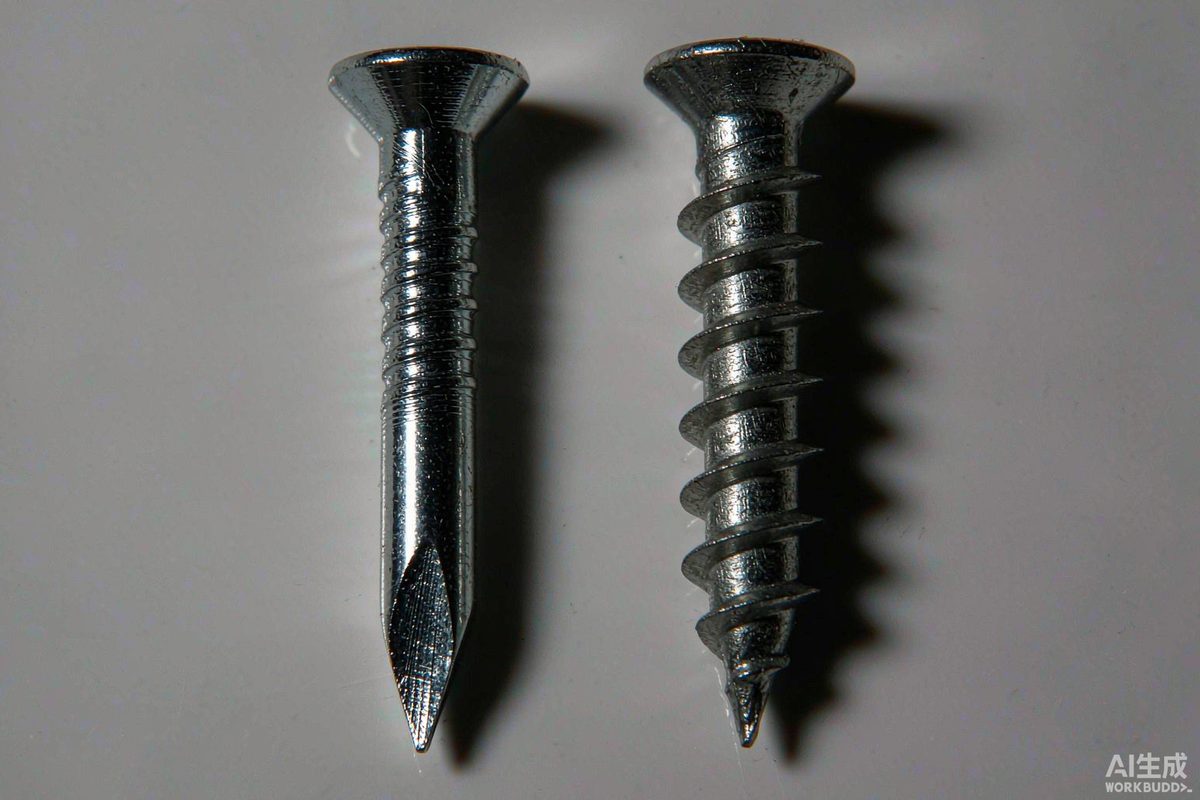
Deformed shank for higher withdrawal resistance in flooring and fencing.
Comparison of Main Common Wire Nail Types
| Type | Material | Surface Treatment | Main Feature | Corrosion Resistance | Typical Application | Relative Cost |
|---|---|---|---|---|---|---|
| Common nail | Low-carbon steel | Bright, EG, HDG | High shear strength | Low–High | Framing, formwork | Low |
| Box nail | Low-carbon steel | Bright, EG | Thin shank | Low–Medium | Boxes, thin lumber | Low |
| Sinker nail | Low-carbon steel | Bright, EG | Countersunk head | Low–Medium | Stud walls | Low–Medium |
| Duplex nail | Low-carbon steel | Bright, EG | Double head | Low–Medium | Formwork, temporary | Low |
| Ring shank common | Low-carbon steel | EG, HDG | High withdrawal | Medium–High | Flooring, fencing | Medium |
Common Applications of Common Wire Nails
Construction and Framing
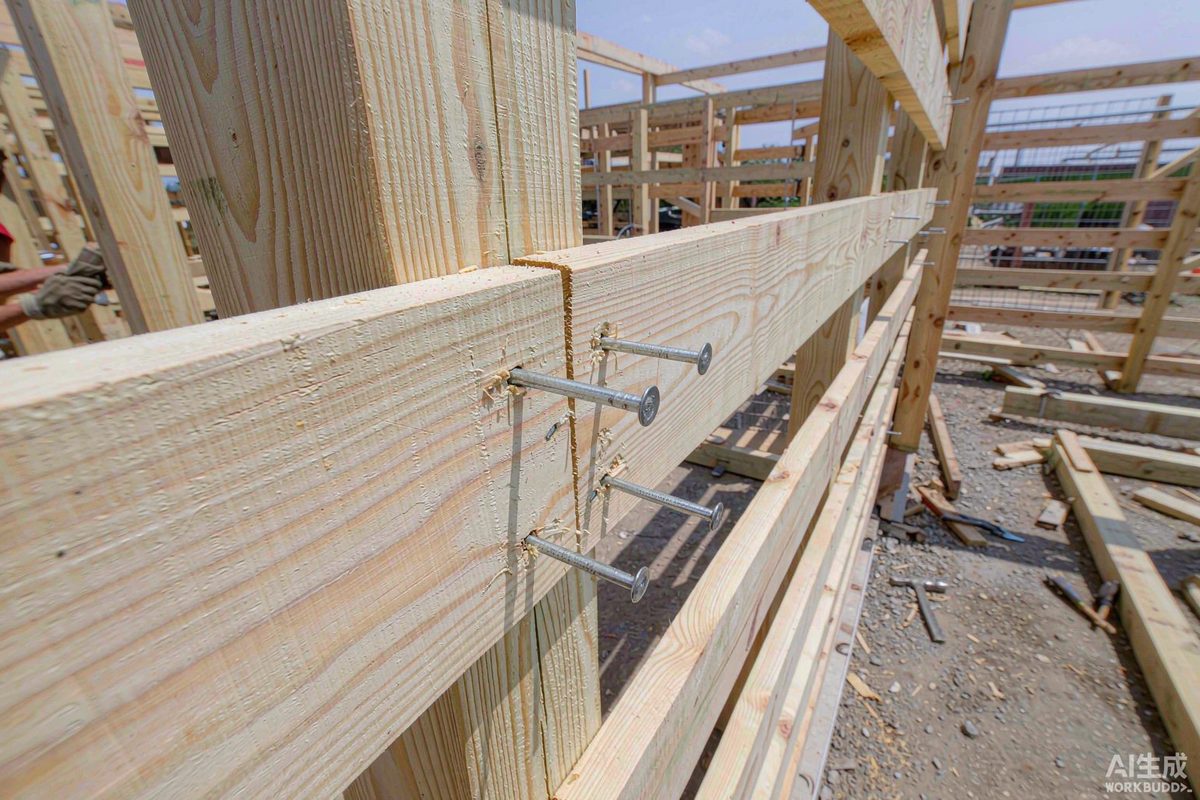
Dimensional lumber framing is the largest use; common nails carry shear in studs, joists and sheathing.
Formwork
Concrete formwork uses common and duplex nails for temporary, removable fixing.
Roofing
Hot-dip galvanized common or dedicated roofing nails fix underlayment and shingles.
Fencing and Outdoor
Ring or spiral shank with HDG or stainless finish. Pair with galvanized fence posts.
Pallet and Packaging
Pallet makers favor specific shank and diameters; cost per thousand is decisive.
Retail Hardware
Printed boxes and polybags for builders' merchants.
What Specifications Should Buyers Check?
- Material grade — low-carbon (e.g., Q195/Q235 or equivalent).
- Length — inches and millimeters.
- Wire diameter / gauge — BWG, AWG or millimeters; the most price-sensitive dimension.
- Head diameter and type — flat, countersunk, checkered.
- Shank type — smooth, ring, spiral.
- Surface treatment — bright, blued, EG or HDG with coating class.
- Coating mass — reference ASTM A641 (EG wire) and ASTM A153 (HDG fasteners); confirm class.
- Bending performance — ASTM F1667 (US), EN 14592 (Europe) for timber fasteners. Requirements may vary by application, market and applicable standard.
- Tolerance — on length and diameter.
- Count per unit weight.
- Packaging — carton weight/count, pallet pattern, labels.
- Customization — private label, retail packs.
How to Choose the Right Common Wire Nails
- Application first. Framing needs thick shank; thin lumber needs box nails.
- Indoor or outdoor. Bright for dry; HDG or stainless for exterior.
- Corrosion exposure. Coastal and agricultural settings justify heavier coatings.
- Base material. Hardwoods split more; use thinner shanks or ring shanks.
- Installation method. Pneumatic nailing needs consistent dimensions and points.
- Required service life. Temporary formwork tolerates bright; a 20-year fence does not.
- Local standards. Size naming and finish habits differ by market.
- Budget. Gauge and coating class move landed cost noticeably.
Common Nails vs. Box Nails
| Attribute | Common Nails | Box Nails |
|---|---|---|
| Shank diameter | Thicker | One to two gauges thinner |
| Weight per thousand | Heavier | Lighter — lower freight |
| Shear strength | Higher | Lower |
| Wood splitting risk | Higher in thin lumber | Reduced |
| Typical use | Framing, formwork | Boxes, light carpentry |
| Relative cost | Higher | Lower |
How to choose: Use common nails for load- and shear-bearing joints. Use box nails for thin stock, boxes or trim where splitting and weight matter more than strength. Never substitute box nails for common nails in structural framing without engineering approval.
How to Inspect Common Wire Nail Quality
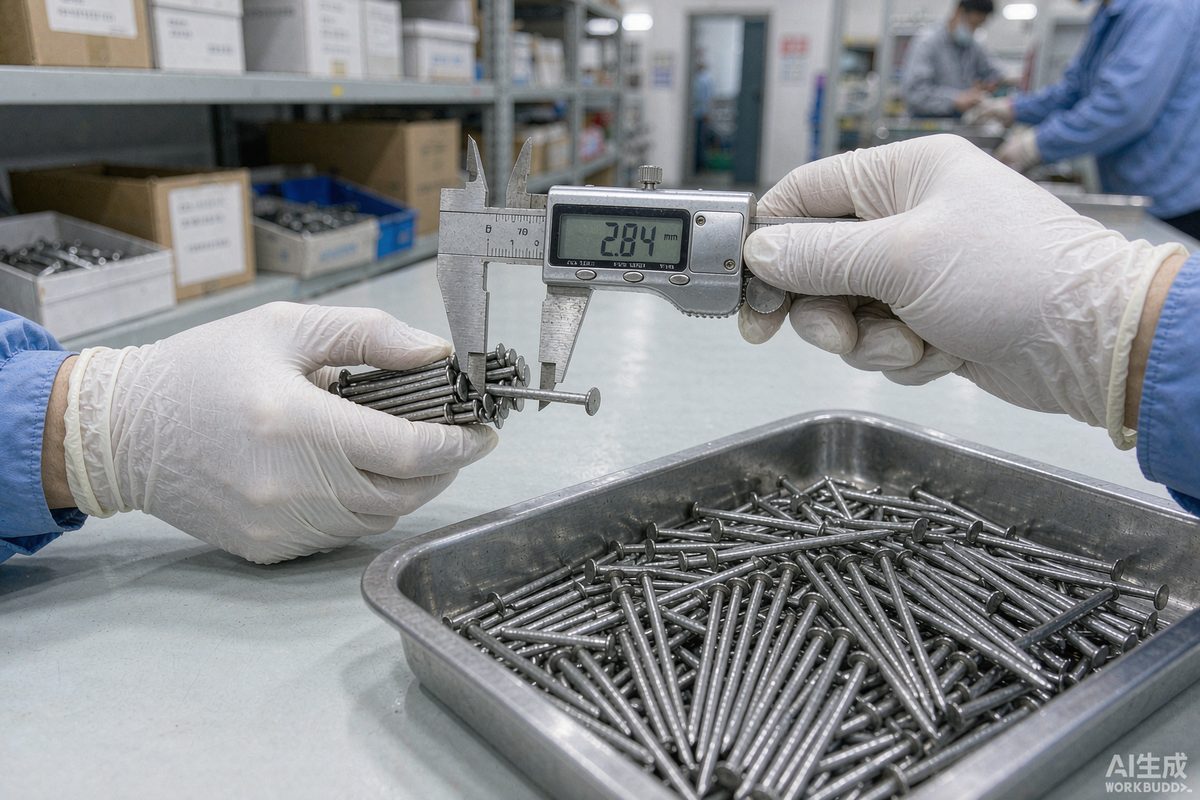
- Dimensional inspection — length, shank diameter, head diameter against tolerance.
- Surface inspection — rust, blunt points, incomplete heads, mixed lengths.
- Material verification — mill certificates; bend test for brittleness.
- Coating inspection — uniform coverage, verify coating class.
- Mechanical testing — where ASTM F1667 or EN 14592 applies, commission accredited tests.
- Installation test — drive into representative timber.
- Packaging inspection — carton, net weight, label, pallet pattern.
What Information Should Be Included in an RFQ?
- Product type
- Material grade
- Dimensions (length and gauge)
- Head and shank details
- Surface treatment and coating class
- Required standard (if any)
- Packaging and labels
- Order quantity and annual volume
- Destination port
- Intended application
- Drawing, sample or reference image
How to Choose a Reliable Supplier
- Raw-material sourcing — traceable mills, certificates.
- Manufacturing capability — in-house drawing and nail lines.
- Quality-control process — measured, frequent, documented.
- Specification consistency — recent batch data, watch diameter drift.
- Test reports — coating and standard test reports.
- Sample availability — quick shipment of exact spec.
- Custom packaging — retail boxes, private labels.
- Export experience — loading, ISPM-15 pallets where needed, documentation.
- Production lead time — realistic, with safety stock.
- Complaint handling — agreed claim process.
Frequently Asked Questions
What are common wire nails used for?
Framing, formwork, general carpentry, fencing and pallets — any wood-to-wood joint needing shear strength.
Do common wire nails rust?
Bright nails rust in moisture; electro-galvanized resist indoor humidity; hot-dip galvanized and stainless suit outdoor and coastal use.
What is the difference between common and box nails?
Common nails have a thicker shank and higher strength; box nails are thinner to reduce splitting and freight.
How do I choose the nail size?
Match length to material thickness — roughly three times the thinner member — and the thickest shank the wood tolerates without splitting. State gauge in BWG or millimeters.
Can common wire nails be customized?
Yes: non-standard lengths/gauges, head markings, ring shanks, retail packaging and assortments, subject to MOQ.
How are they packed for export?
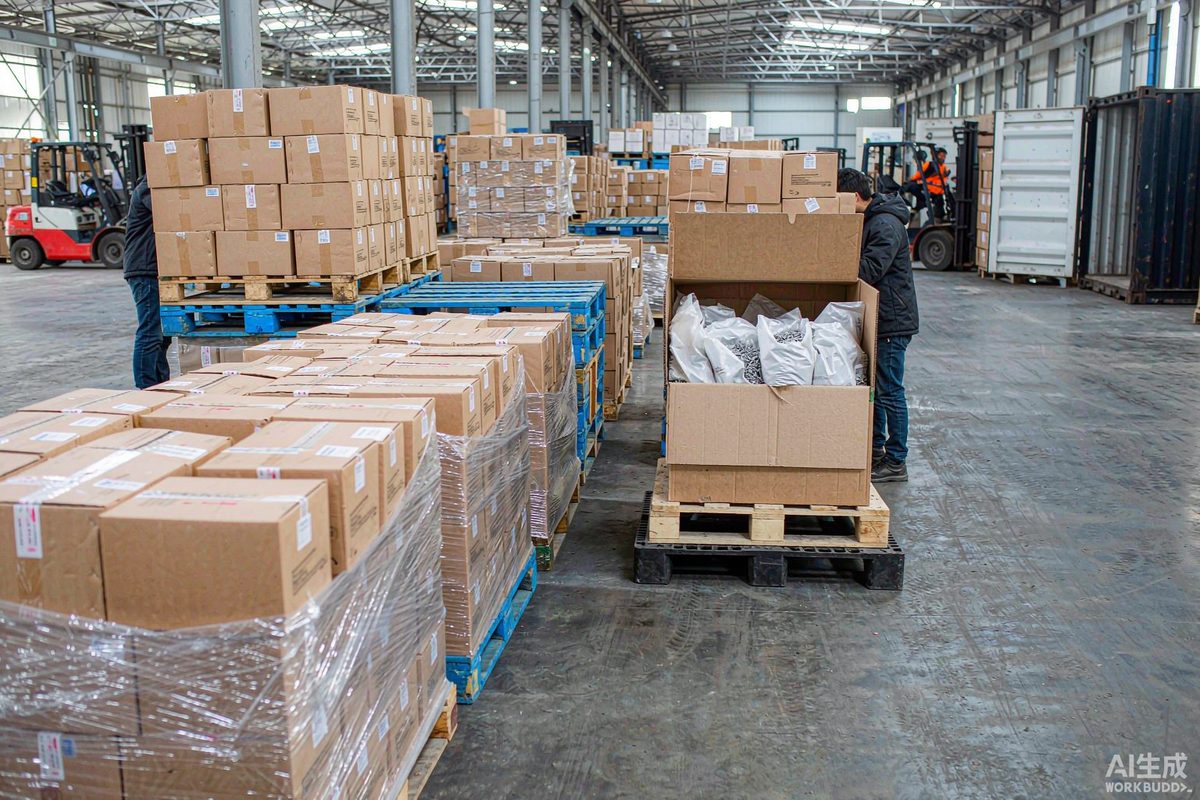
Bulk cartons with inner polybags, palletized; retail uses printed boxes. Confirm details at RFQ.
What is the typical MOQ?
Standard bulk items carry lower MOQs; custom or retail-packed items are higher. Trial orders are often possible.
How do I get samples?
Send your spec and application; request reference samples. Custom items may need a sample fee.
Source Common Wire Nails from WANSUN
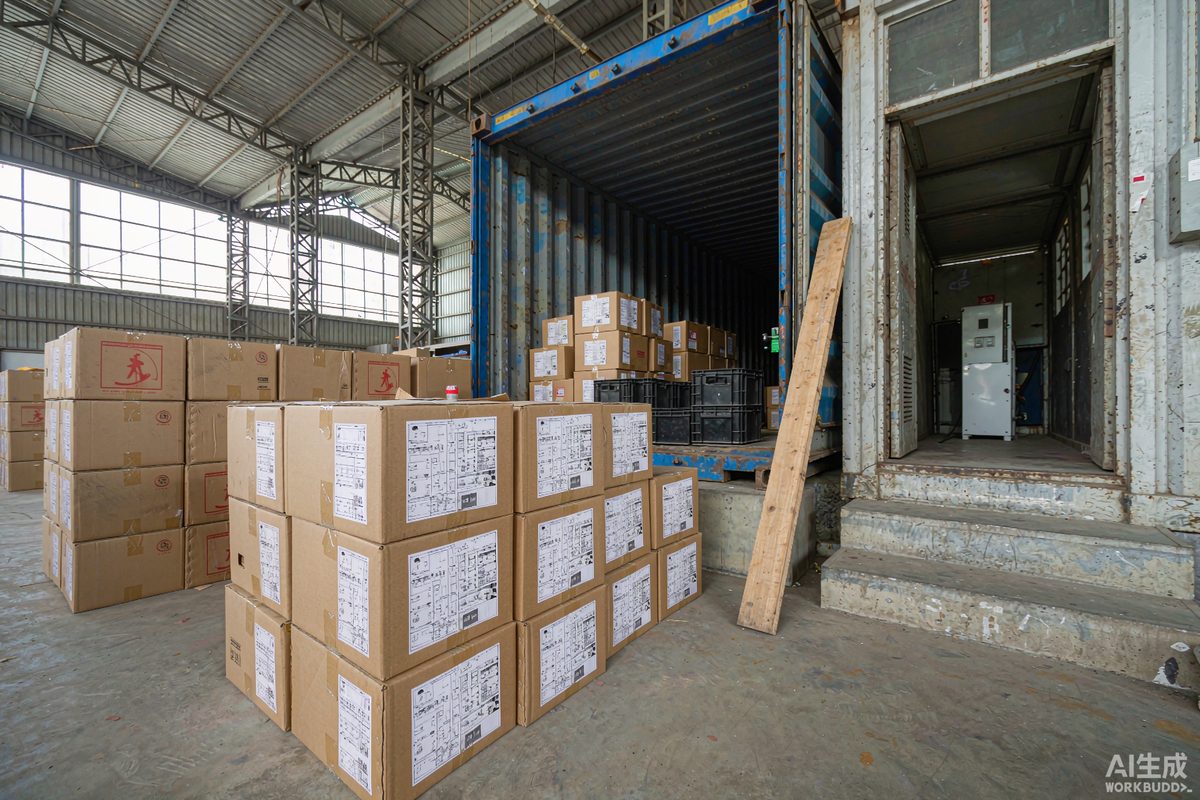
WANSUN, from Qingdao Wansun Technology Co., Ltd., supplies common wire nails and related fasteners, iron wire, wire mesh and fencing products to importers, distributors and project buyers worldwide. We offer common, box, sinker, duplex and ring shank nails across flexible lengths, gauges and finishes — bright, electro-galvanized and hot-dip galvanized. Specification customization, OEM packaging, pre-shipment inspection support and export-standard container loading are part of our service. Send your product type, size, material, surface treatment, packaging, order quantity and destination port for a concrete quotation and realistic lead time.
Request a Quote | Send Your Specifications | Ask for a Sample | Contact WANSUN


