
Coil roofing nails are collated fasteners wound into a coil for pneumatic nailers, used to fix roofing felt, shingles, membranes and siding at high speed. They combine a wide head, a shank suited to the substrate and a corrosion-resistant coating for exterior service. For buyers, the key is matching shank type, coating and collation to the nailer and the climate — a mismatch jams the tool or fails within a few seasons.
What Are Coil Roofing Nails?
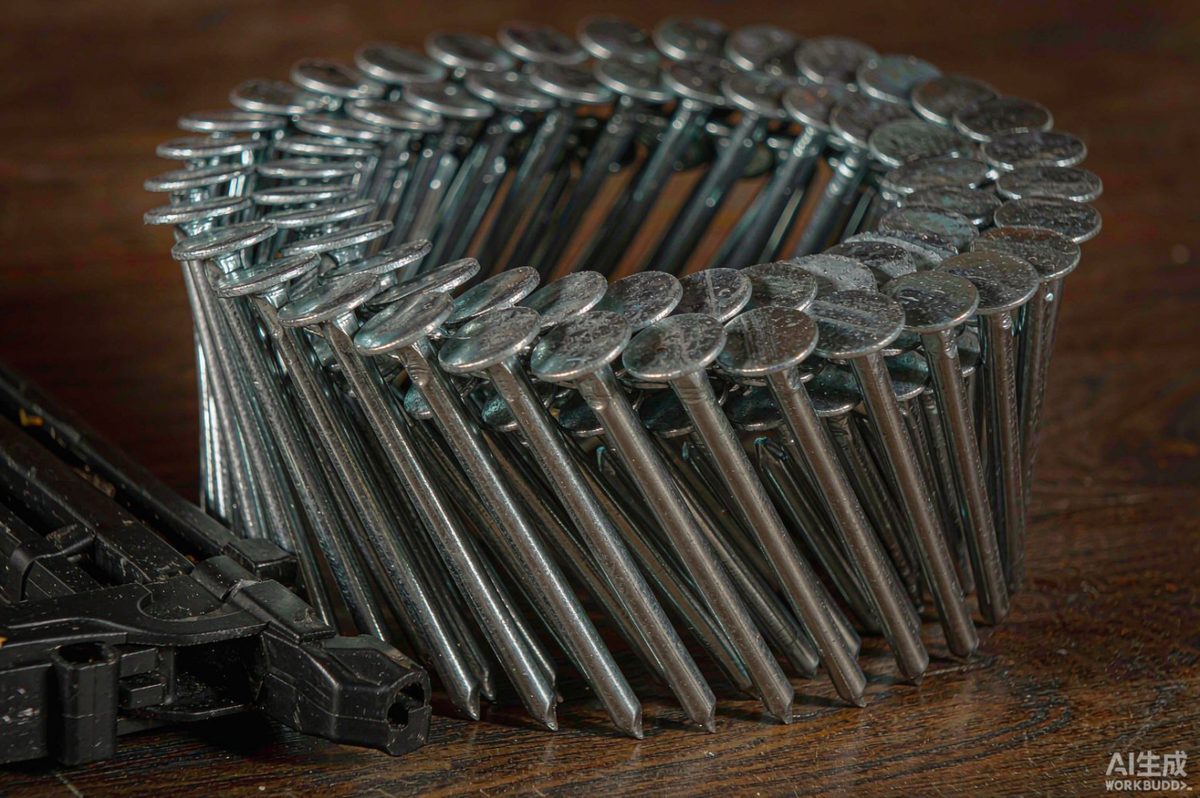
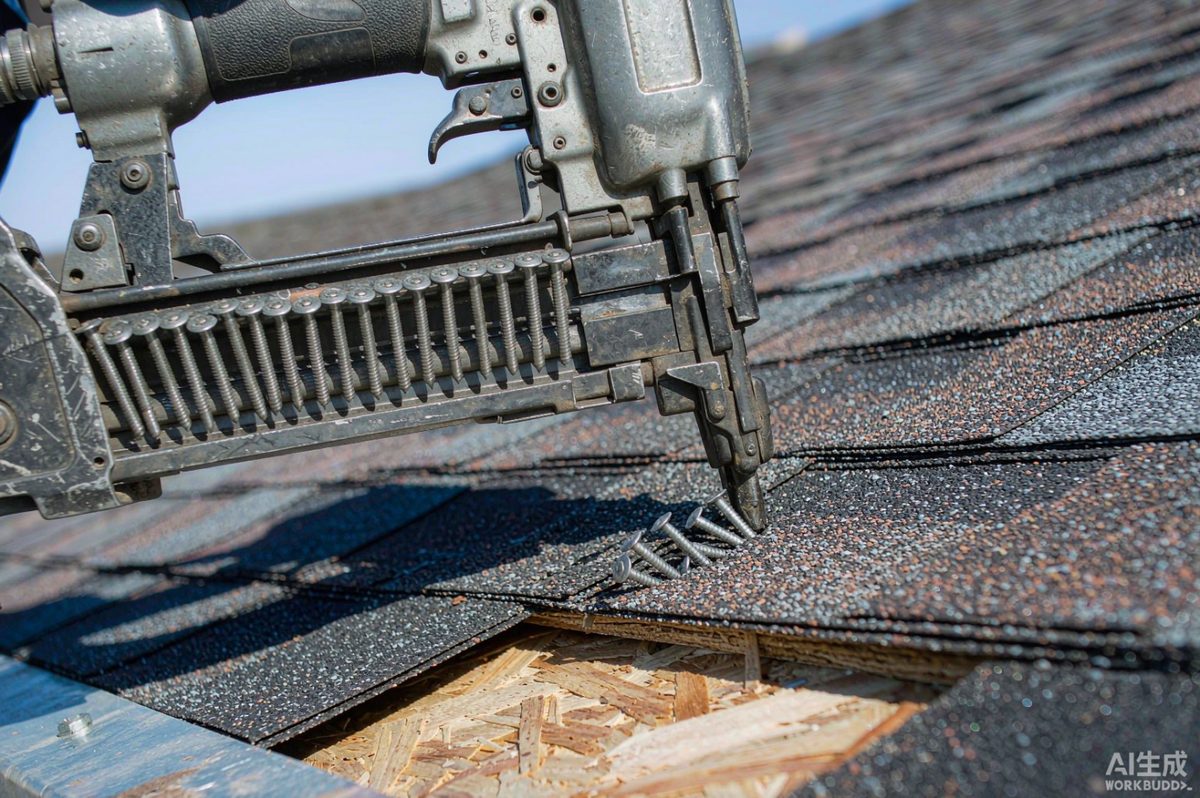
Coil roofing nails are steel nails assembled into a coil — joined by wire or plastic strip links — so a pneumatic tool can drive them continuously without reloading. They are distinguished by a wide, flat head that clamps roofing and siding materials without tearing, and by finishes built for exterior exposure.
Most are produced from low-carbon steel wire, then electro-galvanized or hot-dip galvanized; stainless grades serve coastal and severe environments. WANSUN sources its base low carbon steel wire to keep shank diameter consistent so coils feed reliably through the nailer.
How Are Coil Roofing Nails Manufactured?
- Wire selection. Low-carbon steel drawn to gauge; stainless where specified.
- Nail forming. Cut, head (wide) and point in one operation.
- Surface treatment. EG or HDG finish; stainless left bare.
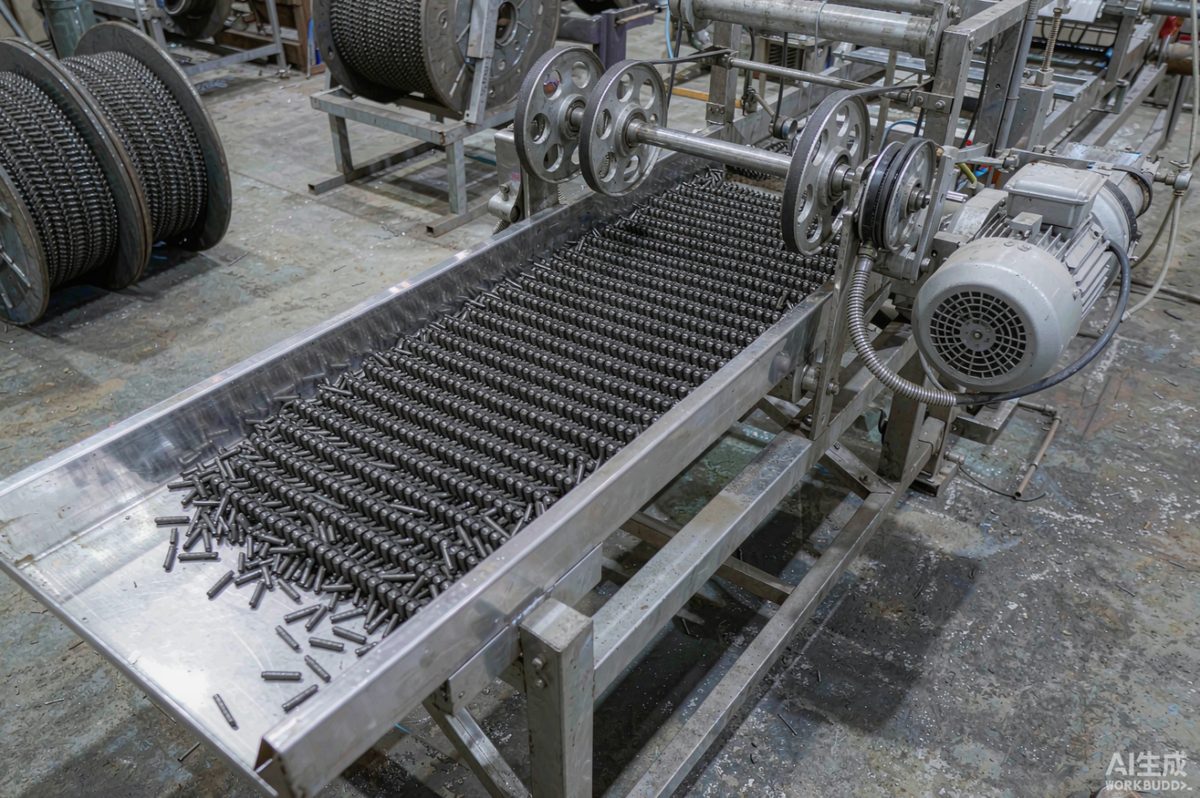
- Collation. Nails joined into a coil by wire or plastic links at a fixed pitch.
- Quality checks. Shank diameter, head, coating and collation pitch.
- Packaging. Coils in boxes or pails, palletized for export.
What Types of Coil Roofing Nails Are Available?
Smooth Shank Coil Roofing Nails
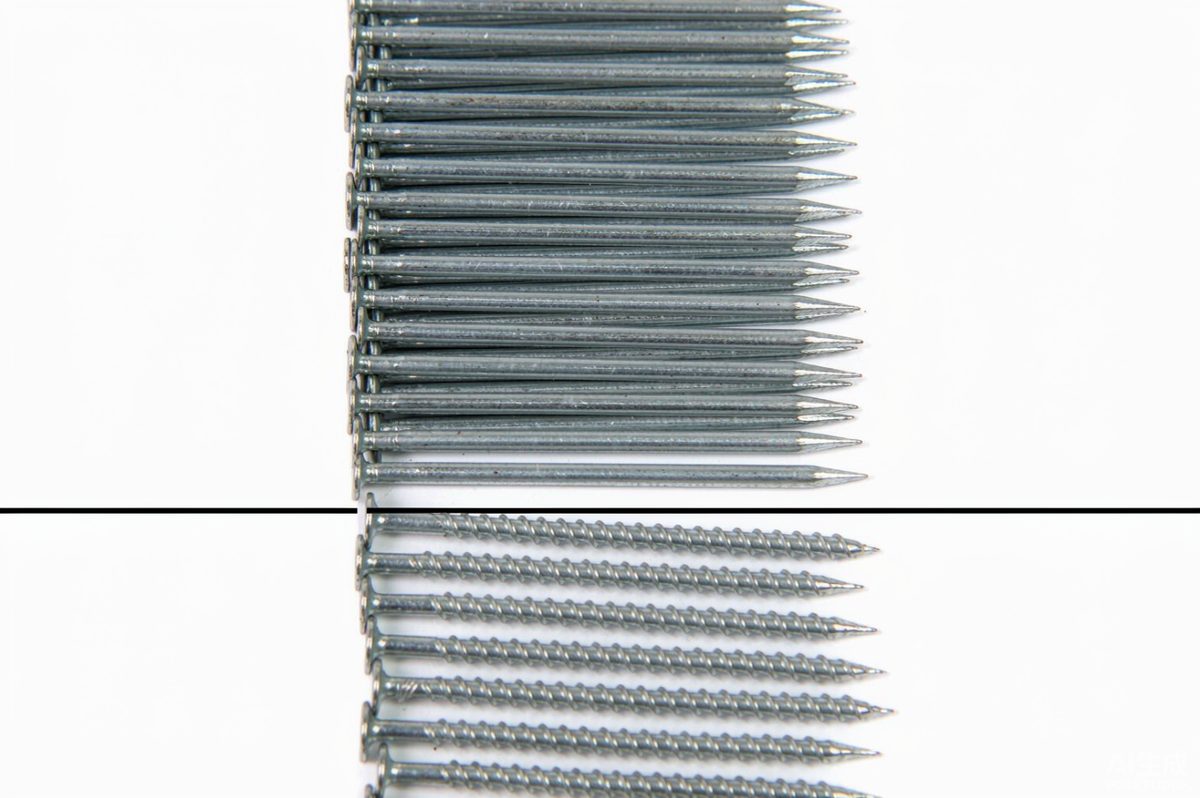
Plain wide-head coil nails for general roofing where withdrawal resistance is less critical. See roofing nails product range.
Ring Shank Coil Roofing Nails
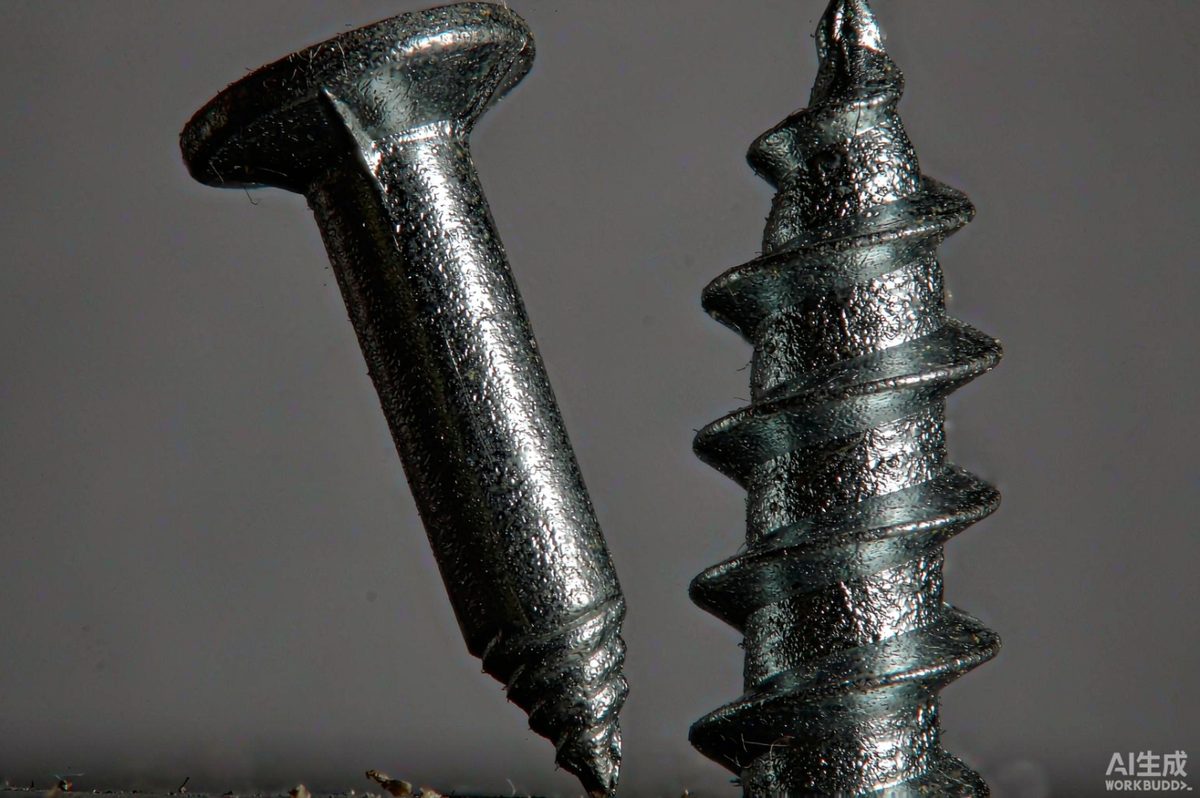
Deformed shank increases grip and wind-uplift resistance; the preferred choice in high-wind regions.
Galvanized Coil Roofing Nails
EG or HDG finish for exterior service. Galvanized nail products cover both.
Stainless Coil Roofing Nails
Best corrosion resistance for coastal and chemical environments.
Coil Siding Nails
Similar coil format, often with a smaller head, for siding and cladding.
Comparison of Main Coil Roofing Nail Types
| Type | Material | Surface Treatment | Main Feature | Corrosion Resistance | Typical Application | Relative Cost |
|---|---|---|---|---|---|---|
| Smooth coil roofing | Low-carbon steel | EG, HDG | Wide head | Medium–High | Felt, shingles | Medium |
| Ring shank coil roofing | Low-carbon steel | EG, HDG | High withdrawal | Medium–High | Wind-zone roofing | Medium |
| Stainless coil roofing | Stainless steel | Bare | Best corrosion | Very High | Coastal roofing | High |
| Coil siding nail | Low-carbon steel | EG, HDG | Smaller head | Medium–High | Siding, cladding | Medium |
Common Applications of Coil Roofing Nails
Asphalt Shingle Roofing
Wide-head coil nails fix shingles; ring shank specified in high-wind areas.
Roofing Underlayment and Felt
Securing felt and synthetic underlayment to decking.
Metal Roofing and Flashing
HDG or stainless coil nails for metal sheet and flashing.
Siding and Cladding
Coil siding nails for fiber-cement and wood cladding.
Insulation Boards
Fixing rigid insulation to roof decks.
What Specifications Should Buyers Check?
- Material grade — low-carbon or stainless.
- Length — inches and millimeters.
- Wire diameter / gauge — BWG, AWG or millimeters.
- Head diameter and type — wide, flat; confirm diameter suits the membrane.
- Shank type — smooth or ring.
- Surface treatment — EG or HDG with coating class; stainless bare.
- Coating mass — reference ASTM A641 (EG wire) and ASTM A153 (HDG fasteners); confirm class.
- Collation — wire or plastic; pitch must match the nailer.
- Bending performance — ASTM F1667 (US), EN 14592 (Europe) for timber fasteners. Requirements may vary by application, market and applicable standard.
- Tolerance — on length and diameter for tool feeding.
- Packaging — coils per box/pail, pallet pattern, labels.
- Customization — private label, retail packs.
How to Choose the Right Coil Roofing Nails
- Match the nailer. Confirm coil type (wire vs. plastic) and pitch with the tool maker.
- Climate first. HDG or stainless for exterior; stainless for coastal.
- Wind exposure. Use ring shank where uplift is a concern.
- Substrate. Metal, wood and synthetic decks may need different points.
- Head size. Wide enough to clamp without tearing the membrane.
- Local standards. Some markets reference coating classes or wind ratings. Requirements may vary by application, market and applicable standard.
- Budget. Stainless and HDG cost more than EG; weigh service life.
Coil Roofing Nails vs. Strip Nails
| Attribute | Coil Roofing Nails | Strip Nails |
|---|---|---|
| Collation | Coiled, high capacity | Straight strip, lower capacity |
| Reload frequency | Lower | Higher |
| Tool type | Coil roofing nailer | Strip/ framing nailer |
| Best use | Continuous roofing | Intermittent fixing |
| Relative cost | Medium | Medium |
How to choose: Coil nails suit continuous roofing work and fewer reloads; strip nails suit tools already on site for framing or siding. Match collation to the nailer you or your customers use.
How to Inspect Coil Roofing Nail Quality
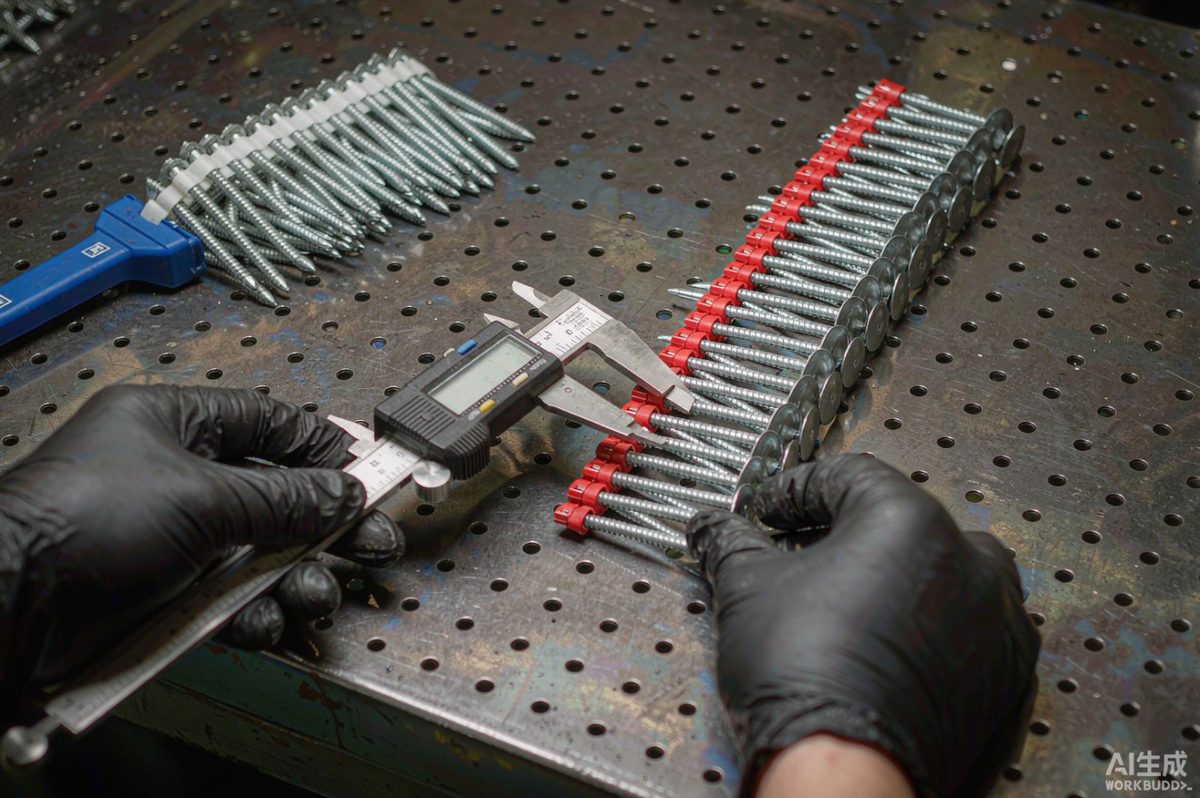
- Dimensional inspection — length, shank diameter, head diameter.
- Surface inspection — rust, blunt points, incomplete heads, bent nails.
- Material verification — mill certificates; bend test for brittleness.
- Coating inspection — uniform coverage, verify coating class.
- Collation check — consistent pitch, clean feed, no jammed links.
- Mechanical testing — where ASTM F1667 or EN 14592 applies, commission accredited tests.
- Installation test — drive through the actual nailer into representative deck.
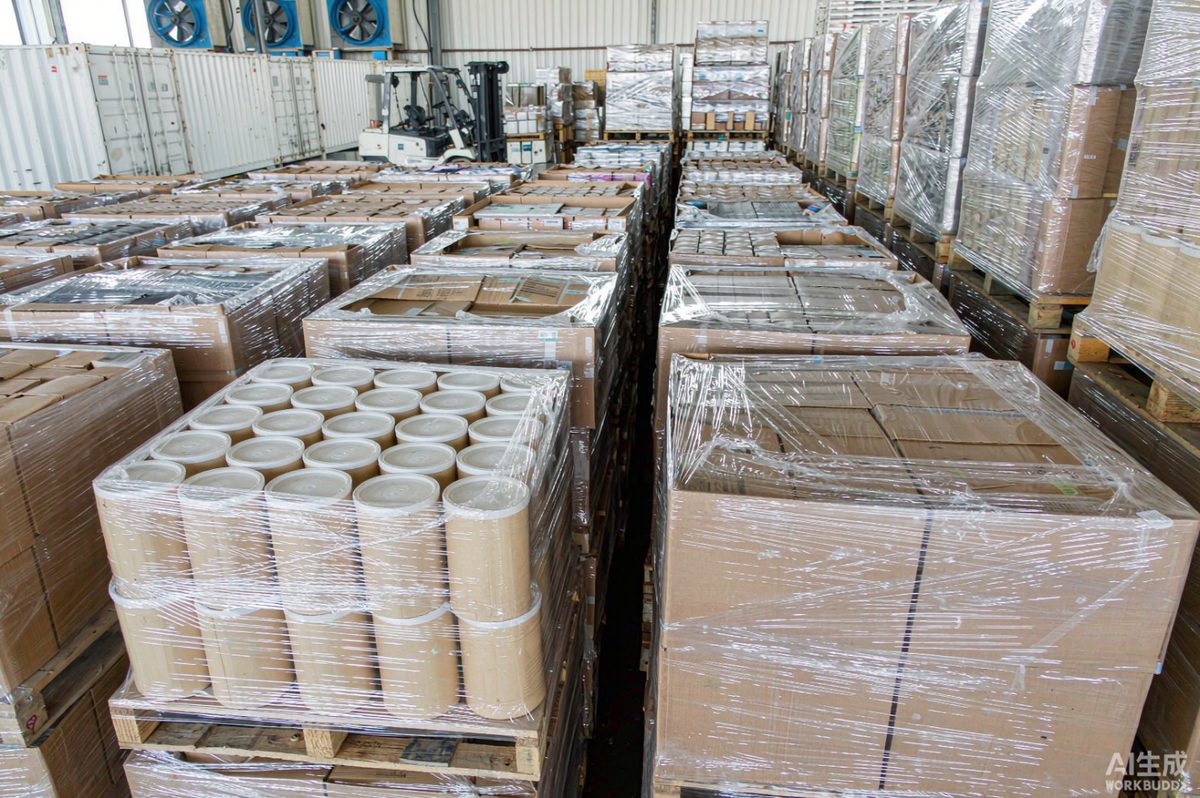
- Packaging inspection — coils per box, net weight, label, pallet pattern.
What Information Should Be Included in an RFQ?
- Product type (coil roofing)
- Material grade
- Dimensions (length and gauge)
- Head diameter and type
- Shank type (smooth/ring)
- Surface treatment and coating class
- Collation type and pitch
- Required standard (if any)
- Packaging and labels
- Order quantity and annual volume
- Destination port
- Intended application
- Drawing, sample or reference image
How to Choose a Reliable Supplier
- Raw-material sourcing — traceable mills, certificates.
- Manufacturing capability — nail machines and collation in-house.
- Quality-control process — dimensional, coating and collation checks documented.
- Specification consistency — recent batch data, watch diameter drift.
- Test reports — coating and standard test reports.
- Sample availability — quick shipment of exact spec, including a test coil.
- Custom packaging — retail boxes, private labels.
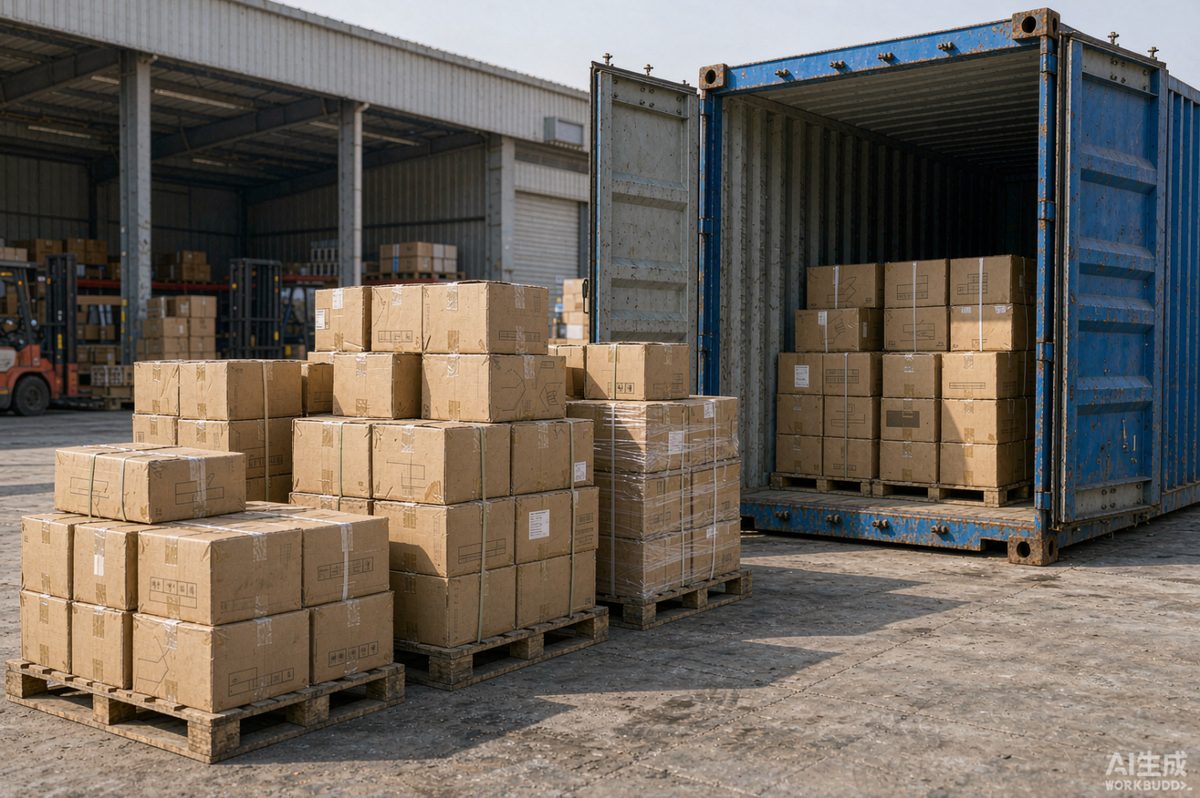
- Export experience — loading, documentation, destination familiarity.
- Production lead time — realistic, with safety stock.
- Complaint handling — agreed claim process.
Frequently Asked Questions
What are coil roofing nails used for?
Fixing asphalt shingles, underlayment, metal roofing, siding and insulation boards with a pneumatic nailer at speed.
Do coil roofing nails rust?
EG resists humid indoor; HDG and stainless suit exterior and coastal use. Bright coil nails are not for outdoor roofing.
Are ring shank better than smooth?
Ring shank gives higher withdrawal resistance and wind-uplift performance; smooth shank is fine for low-wind, less demanding fixes.
Will they fit my nailer?
Only if collation type and pitch match. Always confirm coil type (wire/plastic) and pitch with the tool maker before ordering.
What coating class should I specify?
State the class from the relevant standard (ASTM A641 for EG wire, ASTM A153 for HDG fasteners). Requirements vary by market.
What is the typical MOQ?
Standard bulk items carry lower MOQs; custom or retail-packed items are higher. Trial orders are often possible.
How are they packed for export?
Coils in boxes or pails, palletized; retail uses printed boxes. Confirm at RFQ.
How do I get samples?
Send your spec and application; request reference samples, including a test coil for your nailer. Custom items may need a sample fee.
Source Coil Roofing Nails from WANSUN
WANSUN, from Qingdao Wansun Technology Co., Ltd., manufactures and exports coil roofing nails, common nails, iron wire, wire mesh and fencing products to importers, distributors and project buyers worldwide. We supply smooth and ring shank coil roofing nails in low-carbon steel with electro-galvanized and hot-dip galvanized finishes, plus stainless options for corrosive environments, collated to common pneumatic nailer pitches. Specification customization, OEM packaging, pre-shipment inspection support and export-standard container loading are part of our service. Send your product type, size, material, surface treatment, collation, packaging, order quantity and destination port for a concrete quotation and realistic lead time.
Request a Quote | Send Your Specifications | Ask for a Sample | Contact WANSUN


