
Construction nails are steel fasteners driven into wood, concrete and other building materials to hold structural and non-structural components together. They are made from drawn low-carbon steel wire, formed with a head, shank and point, and finished bright, electro-galvanized or hot-dip galvanized for corrosion protection. For importers and distributors, understanding nail types, specifications and inspection points is essential, because the wrong shank, coating or gauge can cause failures, claims and slow-moving stock.
What Are Construction Nails?
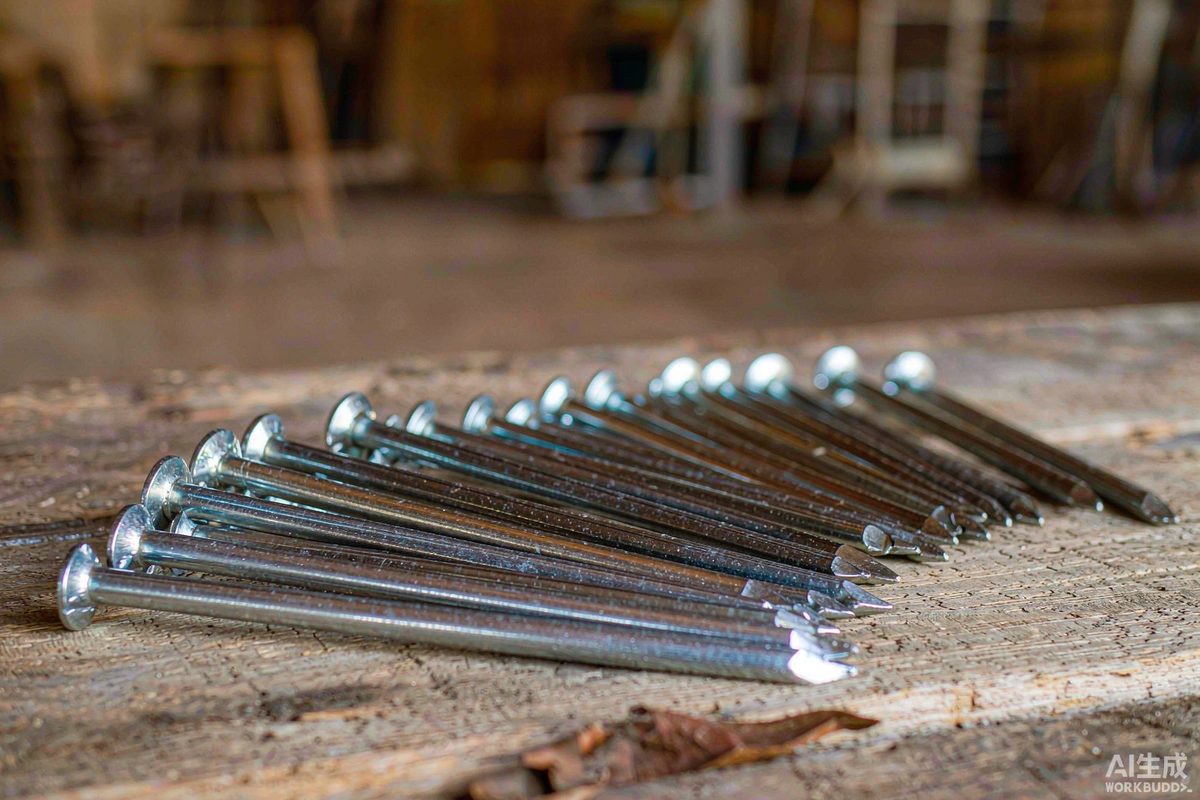
Construction nails are mechanical fasteners used to join materials — most commonly wood framing, sheathing, formwork, roofing and light masonry — by friction and lateral resistance between the shank and the base material.
The three basic parts of a construction nail are:
- Head — provides a striking surface and clamps the attached material in place. Head diameter and shape vary by nail type.
- Shank — the body of the nail. It can be smooth, ring-threaded (annular), spiral-threaded or barbed, which affects withdrawal resistance.
- Point — usually a diamond-shaped point for wood, or a hardened, fluted point for masonry applications.
Most construction nails are produced from low-carbon steel wire rod, typically in the Q195/Q235 grade families or equivalent wire grades, because it balances strength, formability and cost. Stainless steel and hardened high-carbon steel variants exist for specialty applications. WANSUN supplies both finished nails and the low carbon steel wire used in nail production.
Why does this matter for buyers? Because nails are a volume-driven, specification-sensitive product. A distributor who stocks the wrong shank type for the local market, or an importer whose galvanized coating does not match the destination climate, faces returns and reputational risk. Knowing how nails are defined, graded and tested lets you specify precisely and audit suppliers with confidence.
How Are Construction Nails Manufactured?
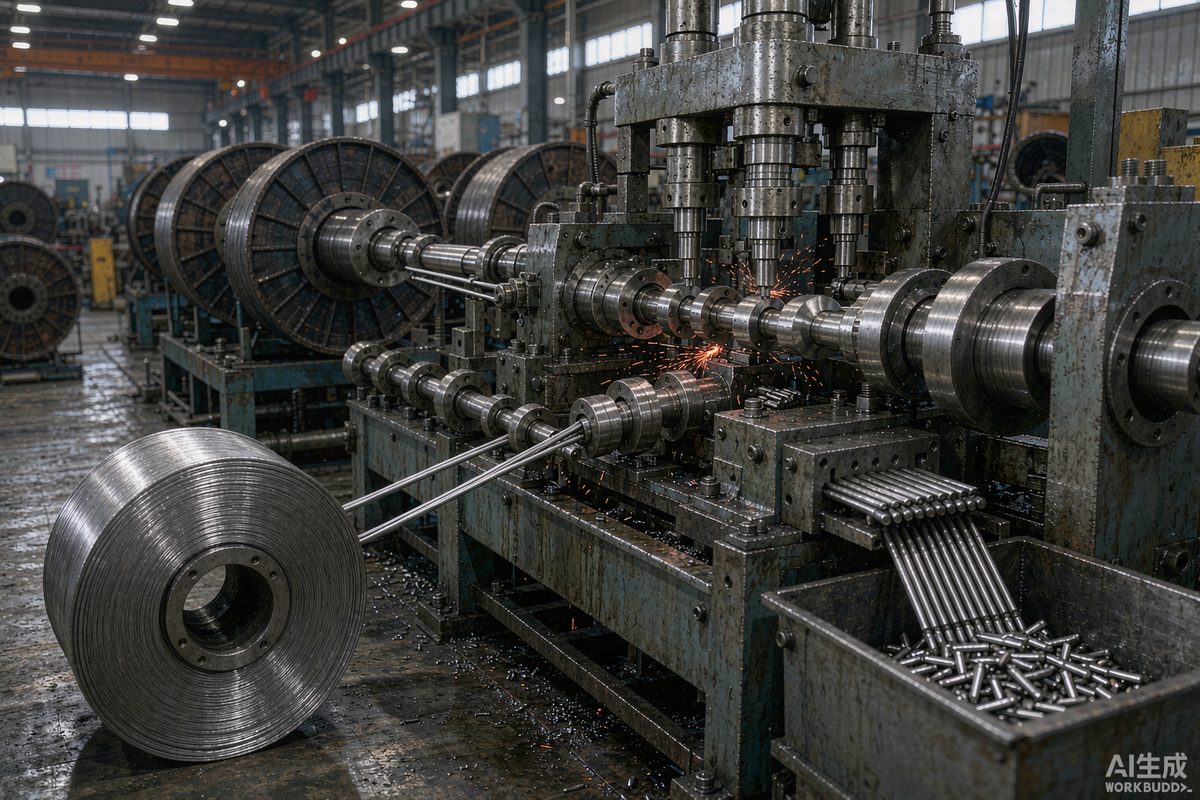
The production process is largely wire-based and highly automated. A typical flow looks like this:
- Raw material selection. Low-carbon steel wire rod is inspected for diameter, surface condition and chemical composition. The wire grade determines bending performance and hardness.
- Wire drawing. The rod is drawn through successive dies to the final wire diameter that matches the nail's gauge. Diameter consistency at this stage directly controls weight-per-thousand counts later.
- Nail forming. High-speed nail machines cut the wire to length, form the head by cold upsetting and extrude the point — all in one continuous operation. Tooling condition determines head quality and point sharpness.
- Heat treatment (selective). Ordinary wood nails are used in the drawn condition. Concrete and masonry nails are quenched and tempered or otherwise hardened so the point can penetrate masonry without bending.
- Surface cleaning. Nails are degreased, pickled or tumble-polished to remove drawing lubricant, scale and dust before coating.
- Surface treatment. Bright (uncoated), electro-galvanized or hot-dip galvanized finishes are applied depending on the corrosion resistance required. Polishing or black finishing may also be specified.
- Inspection. Dimensional checks, coating checks and sampling for bending performance are carried out against the order specification.
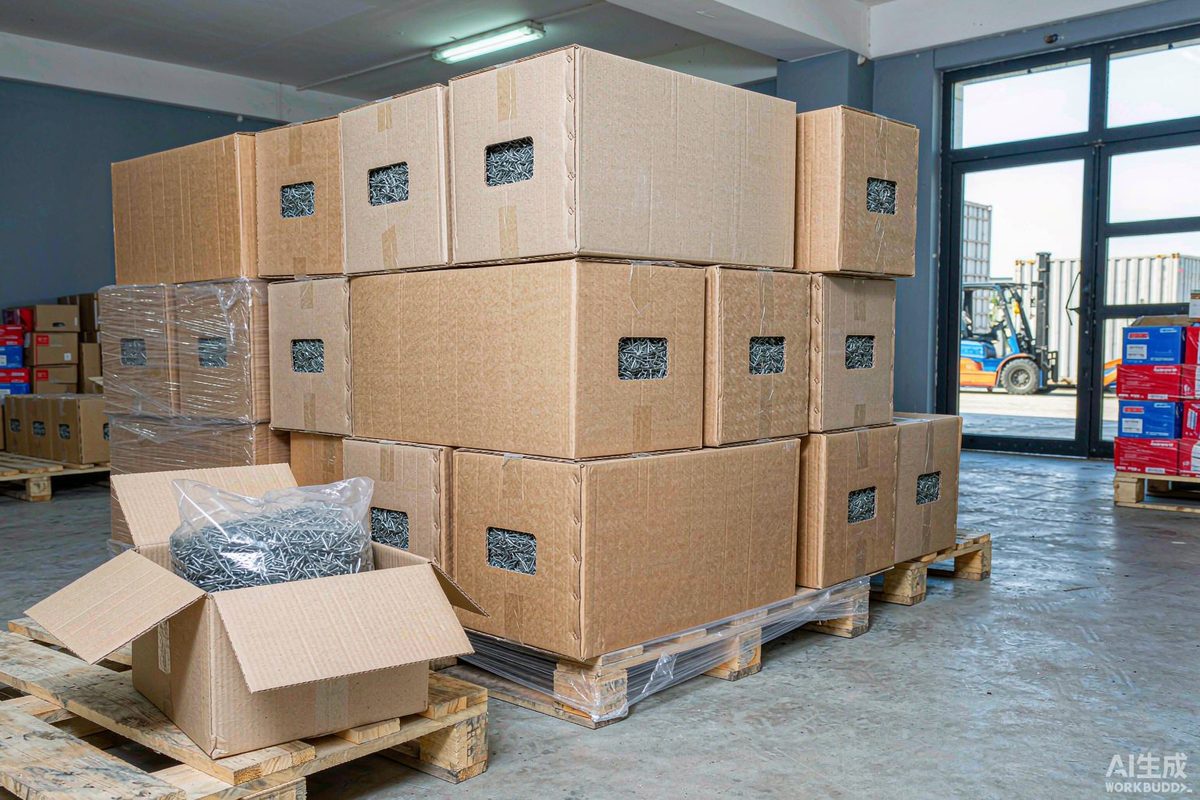
- Packaging. Nails are packed by count or weight — typically cartons with inner polybags, then palletized for container loading and export shipment.
Each step affects the final specification, so buyers auditing a new supplier should ask which steps are performed in-house and which are outsourced.
What Types of Construction Nails Are Available?
Common Nails
Structure: Flat or slightly countersunk head, thick smooth shank, diamond point. Main features: High holding power and shear strength for structural framing; the reference product in most markets. Typical specifications: Lengths from roughly 1" to 6" (approx. 25–150 mm); wire diameters commonly in the 12–7 BWG range depending on length. Common applications: Wood framing, formwork, general carpentry, pallet and crate assembly. Best suited for: Importers and builders' merchants serving general construction demand. See common nails in bulk for available specifications.
Box Nails
Structure: Similar profile to common nails but with a slimmer shank and a slightly larger head relative to shank diameter. Main features: Reduces splitting in thin or brittle lumber; lighter per thousand, which lowers freight cost. Typical specifications: Same length range as common nails, but one to two gauge numbers thinner. Common applications: Light framing, boxes, crates, trim work and thin wood assembly. Best suited for: Packaging-industry buyers and hardware retailers serving light carpentry.
Sinker and Framing Nails
Structure: Slightly countersunk head, checkered or plain, on a thinner shank than common nails; often vinyl-coated. Main features: Designed for high-speed pneumatic nailing in house framing; coating can act as a lubricant during driving. Typical specifications: Popular sizes include 8d, 12d and 16d equivalents in the US market. Common applications: Stud walls, subfloors, sheathing and general structural framing. Best suited for: Distributors supplying framing crews and pro contractors.
Concrete (Masonry) Nails
Structure: Fluted or smooth shank with a hardened point; thick shank relative to length. Main features: Hardened so the point penetrates mortar, brick and light concrete without bending. Typical specifications: Shorter lengths, commonly under 4" (approx. 100 mm). Common applications: Fixing battens, conduits and timber to masonry substrates. Best suited for: Electrical and fit-out distributors. Note: hardened nails are brittle and should not be substituted for structural wood nails.
Roofing Nails
Structure: Wide flat head (commonly 3/8" or larger diameter), short shank, available smooth or ring shank. Main features: The large head clamps soft roofing felt, shingles and membranes; ring shank increases wind-uplift resistance. Typical specifications: Lengths commonly 3/4" to 2" (approx. 20–50 mm); usually hot-dip galvanized or stainless for exterior exposure. Common applications: Asphalt shingles, felt underlayment, insulation boards, metal sheet fixing. Browse hot-dip galvanized roofing nails for exterior-grade options.
Duplex (Double-Head) Nails
Structure: Two heads on one shank — the lower head seats the material, the upper head stays proud for removal. Main features: Designed for temporary structures; easy to extract with a hammer or pry bar. Typical specifications: Mid-range lengths, commonly 2" to 4" (approx. 50–100 mm). Common applications: Concrete formwork, scaffolding boards, temporary bracing. Best suited for: Formwork contractors and equipment rental channels.
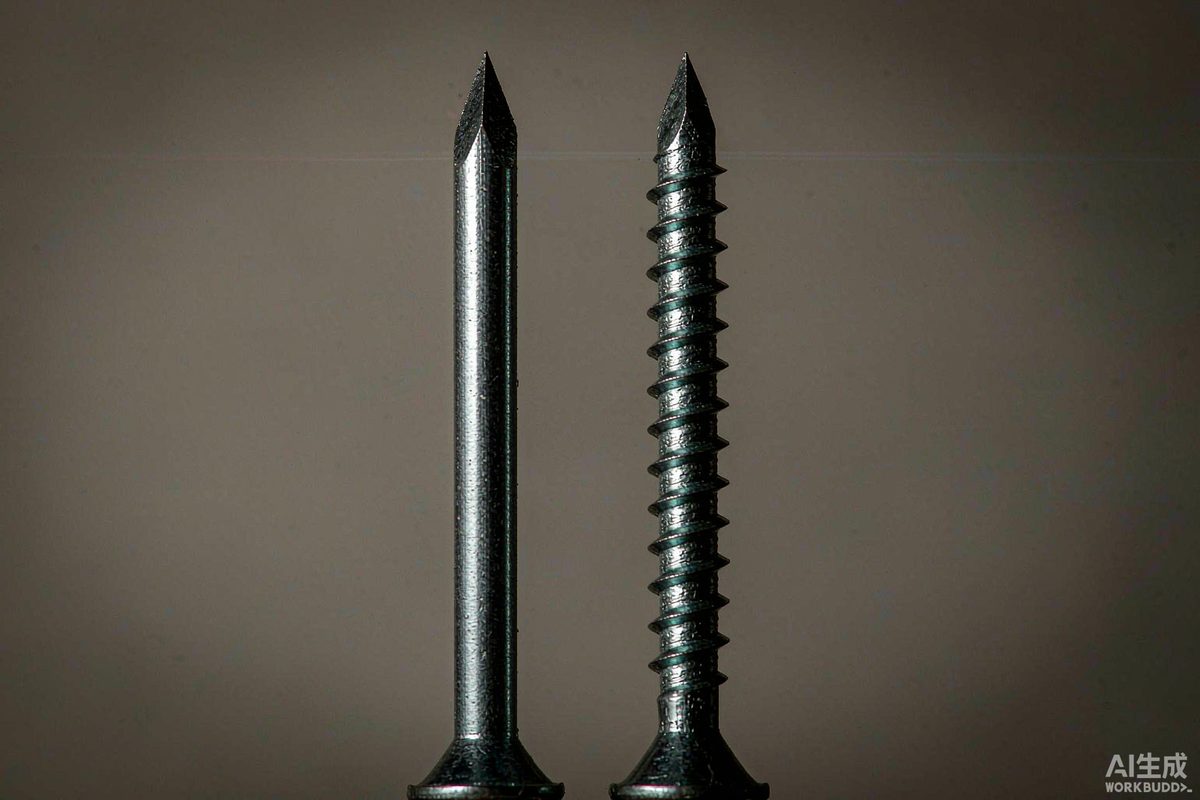
Ring Shank and Spiral Shank Nails
Structure: Annular rings or spiral flutes rolled into the shank. Main features: The deformed shank mechanically interlocks with the wood fiber, greatly increasing withdrawal resistance versus a smooth shank. Typical specifications: Available across common, roofing and drywall nail families. Common applications: Flooring, decking, siding, pallets, fencing and any joint subject to vibration or moisture cycling. Best suited for: Buyers serving flooring, fencing and pallet manufacturers. Matching fasteners are available alongside fence posts and fencing products.
Drywall Nails
Structure: Ring shank with a small, slightly cupped head designed to be set flush without tearing the gypsum board face paper. Main features: Ring shank prevents "nail popping" as framing timber dries. Typical specifications: Commonly around 1" to 1-5/8" (approx. 25–40 mm), often blued or galvanized. Common applications: Gypsum board to wood stud fixing. Best suited for: Interior-fitout distributors.

Comparison of Main Construction Nail Types
| Type | Material | Surface Treatment | Main Feature | Corrosion Resistance | Typical Application | Relative Cost |
|---|---|---|---|---|---|---|
| Common nail | Low-carbon steel | Bright, EG or HDG | Thick smooth shank, high shear strength | Low (bright) to High (HDG) | Framing, formwork | Low |
| Box nail | Low-carbon steel | Bright or EG | Slim shank reduces splitting | Low to Medium | Boxes, thin lumber | Low |
| Sinker/framing nail | Low-carbon steel | Bright, vinyl-coated or EG | Optimized for pneumatic framing | Low to Medium | Stud walls, sheathing | Low–Medium |
| Concrete nail | Hardened steel | Blued or EG | Hardened point for masonry | Low to Medium | Fixing to mortar/concrete | Medium |
| Roofing nail | Low-carbon steel | HDG or stainless | Wide head, wind-uplift shank options | Medium to High | Shingles, felt, membranes | Medium |
| Duplex nail | Low-carbon steel | Bright or EG | Double head for easy removal | Low to Medium | Formwork, temporary work | Low |
| Ring shank nail | Low-carbon steel | EG, HDG or stainless | High withdrawal resistance | Medium to High | Flooring, pallets, fencing | Medium |
Corrosion resistance shown reflects the coating options typically available for each type; actual performance depends on coating mass and service environment.
Common Applications of Construction Nails
Construction and Structural Framing
Dimensional-lumber framing is dominated by common nails, sinker and box nails. Framing applications generally call for the thickest shank the lumber can accept without splitting, in lengths that penetrate at least two-thirds of the joined member. For pressure-treated or humid environments, galvanized or stainless fasteners should be specified.
Roofing
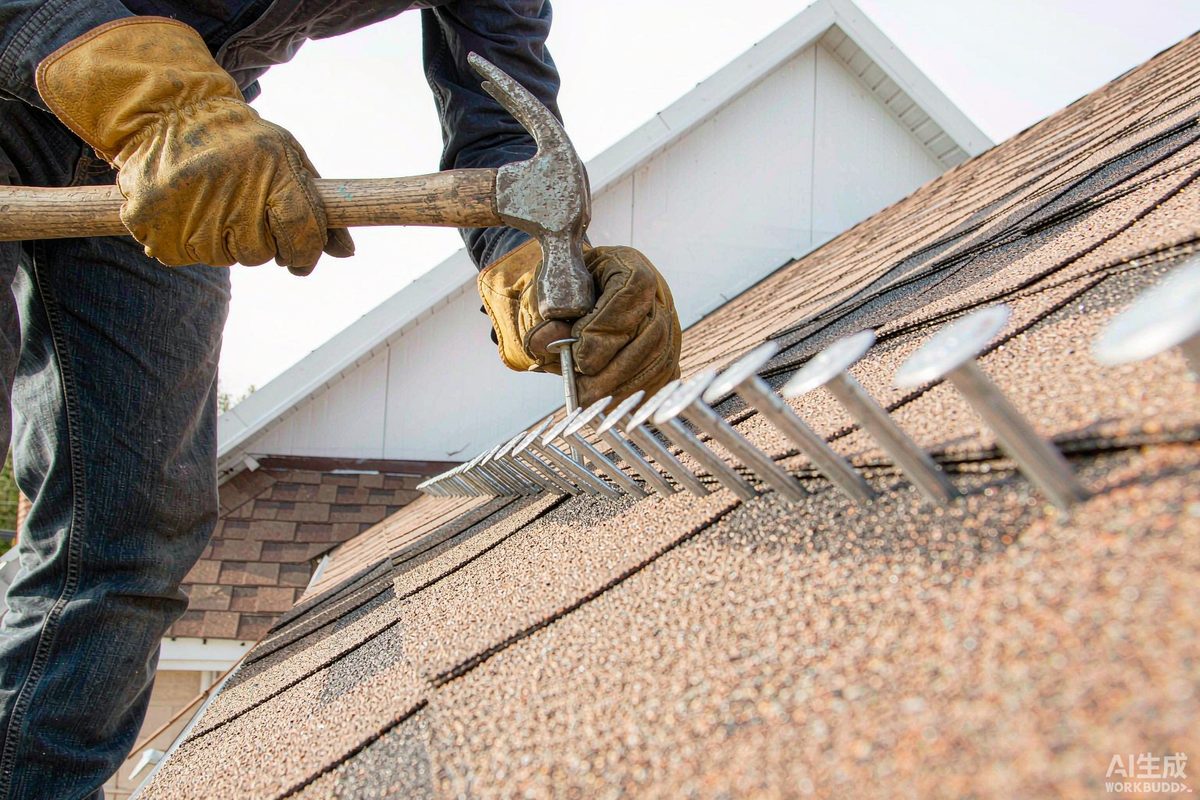
Asphalt shingles, underlayment and insulation boards are fixed with wide-head roofing nails, usually hot-dip galvanized. In high-wind regions, ring-shank roofing nails are the safer specification because withdrawal resistance is significantly higher than smooth shank.
Fencing and Outdoor Structures
Fence boards, rails and posts benefit from ring shank or spiral shank nails with hot-dip galvanized or stainless finishes, because joints flex with wind load and are exposed to moisture cycling. Smooth bright nails are a common cause of fence failures within a few seasons. Pair fasteners with galvanized fence posts for a corrosion-matched fencing system.
Agriculture and Livestock
Barn construction, pens, stalls and trellising typically use galvanized common and ring shank nails. Corrosive environments — animal waste, fertilizers, humidity — push the specification toward heavier coatings or stainless steel.
Pallet and Packaging
Pallet and crate assembly is one of the largest volume uses of construction nails. Pallet manufacturers favor specific shank types and diameters because fastener choice directly affects pallet rigidity and repairability. Blued or galvanized finishes are common; cost per thousand is a primary decision factor.
Industrial Manufacturing
Concrete forming, scaffolding board fixing and general plant maintenance consume duplex, concrete and common nails in bulk. Industrial buyers typically order by weight or by count with strict tolerance requirements for automated dispensing.
Retail Hardware
Hardware retailers and builders' merchants stock boxed and polybagged nails in popular sizes, often under private label. For this channel, packaging format, count accuracy and consistent head/shank finish matter as much as the fastener itself.
What Specifications Should Buyers Check?
A complete construction nail specification should define every parameter that affects performance, cost and customs classification:
- Material. Wire grade family (e.g., low-carbon Q195/Q235 or equivalent), or stainless steel where required. The grade affects bending and withdrawal performance.
- Length. In inches and millimeters. Confirm whether the length is measured overall or head-to-point start.
- Wire diameter (gauge). Usually expressed in BWG or AWG for US-influenced markets, or in millimeters. This is the single most price-sensitive dimension.
- Head diameter and type. Flat, countersunk, checkered or cupped; head size affects clamping and stripping.
- Shank type. Smooth, annular ring, spiral or fluted.
- Point type. Diamond point is standard for wood; fluted or hardened points for masonry.
- Surface treatment. Bright, blued, electro-galvanized (EG) or hot-dip galvanized (HDG).
- Coating mass or thickness. For galvanized nails, specify the minimum zinc coating — typical commercial classes include reference values in ASTM A641 (electro-galvanized wire) and ASTM A153 (hot-dip coatings on fasteners). Confirm the applicable class with your supplier.
- Bending performance. Many markets reference nail bending angles and ductility requirements; in the US, ASTM F1667 covers driven fasteners, and in Europe EN 14592 applies to dowel-type fasteners for timber structures. Requirements may vary by application, market and applicable standard.
- Tolerance. Permissible deviation on length and diameter — critical for count-per-weight calculations and automated equipment.
- Approximate count per unit weight. Needed to reconcile weight-based and count-based quotations.
- Packaging quantity. Count per box/carton, weight per carton, cartons per pallet, pallets per container.
- Customization. Private-label printing on cartons, retail polybags with headers, mixed-size assortments, special head markings.
How to Choose the Right Construction Nails
Match the specification to the service conditions, not just the price list:
- Application first. Framing, roofing, fencing and packaging each demand different shank and head geometry. Start from the end use, then work back to the product.
- Indoor or outdoor. Interior dry use tolerates bright nails; any exterior or humid application requires galvanized or stainless fasteners.
- Corrosion exposure. Coastal, agricultural and industrial atmospheres justify heavier zinc coatings or stainless steel. Note that some wood preservatives are chemically reactive with certain coatings.
- Base material. Hardwoods and engineered lumber split more easily — use thinner shanks or ring shanks. Masonry requires hardened concrete nails.
- Installation method. Hand driving tolerates most nails; pneumatic nailers require properly collated or dimensionally consistent loose nails, so tolerance and point quality become critical.
- Required service life. Temporary formwork justifies duplex bright nails; a 20-year fence does not.
- Local standards and market habit. Size naming (8d/16d vs. metric), standard references and preferred finishes differ by market. Requirements may vary by application, market and applicable standard.
- Budget. Weight-based cost is driven by shank diameter and coating class; a one-gauge change or EG-to-HDG change can move landed cost noticeably.
- Packaging and channel. Bulk palletized cartons suit distributors; printed retail boxes and polybags suit hardware chains.
Common Nails vs. Box Nails
These two types generate the most confusion — and the most mis-specified orders — in the construction nail trade.
| Attribute | Common Nails | Box Nails |
|---|---|---|
| Shank diameter | Thicker for a given length | One to two gauges thinner |
| Weight per thousand | Heavier | Lighter — lower freight cost |
| Shear / structural strength | Higher | Lower |
| Wood splitting risk | Higher in thin lumber | Reduced |
| Typical gauge range (approx.) | 12–7 BWG | 14–11 BWG |
| Typical use | Structural framing, formwork | Boxes, crates, light carpentry |
| Relative cost per nail | Higher | Lower |
How to choose: Use common nails wherever the joint carries load or shear — framing, ledgers, formwork. Use box nails when joining thin stock, boxes or trim where splitting and weight matter more than raw strength. Never substitute box nails for common nails in structural framing without engineering approval, and never pay structural-nail prices for box-nail dimensions.
How to Inspect Construction Nail Quality
Pre-shipment inspection protects both parties. The checks below are practical for third-party inspection or your own QC staff:
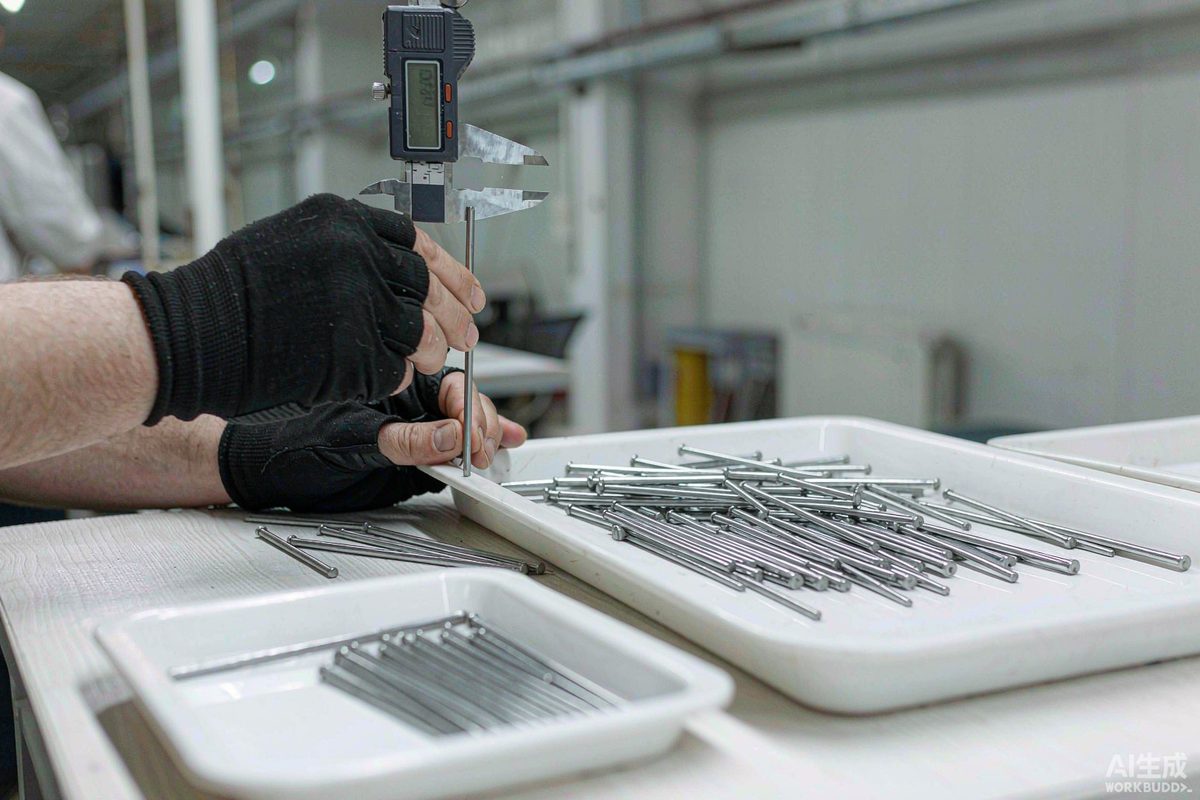
- Dimensional inspection. Sample and measure length, shank diameter and head diameter against the ordered tolerance using calipers. Verify count per carton and count per kilogram against the packing declaration.
- Surface inspection. Check for rust stains, drawing marks, incomplete heads, bent or headless nails, blunt points and mixed lengths within a carton.
- Material verification. Review mill certificates for the wire rod and confirm the declared grade. Random bending of samples by hand gives a quick indication of brittleness or over-hardening.
- Coating inspection. For galvanized nails, verify coating appearance (uniform, no bare spots or zinc lumps blocking the point) and review the coating class on the certificate. Where contractually specified, coating mass can be verified by laboratory test.
- Mechanical / performance testing. Where a standard such as ASTM F1667 or EN 14592 is referenced, pull the required bending and lateral-resistance tests at an accredited laboratory or witness them at the factory.
- Installation test. Drive a sample batch into representative timber or masonry. Points should penetrate without bending; heads should seat without collapsing.
- Packaging inspection. Confirm carton strength, inner polybag sealing, net weight, label accuracy (size, count, coating, origin) and pallet stacking pattern for container loading.
Items 1, 2, 6 and 7 are well suited to pre-shipment inspection; items 3, 4 and 5 depend on the contract terms and should be agreed in the RFQ stage.
What Information Should Be Included in an RFQ?
A complete inquiry saves days of back-and-forth. Include:
- Product type — common, box, sinker, roofing, concrete, duplex, ring shank, etc.
- Material — wire grade family or stainless steel.
- Dimensions — length and wire diameter (state BWG/mm explicitly).
- Head and shank details — head diameter/type, shank type, point type.
- Surface treatment — bright, blued, EG or HDG, with coating class if known.
- Required standard — e.g., ASTM F1667, EN 14592, or market-specific norms, if applicable.
- Packaging — carton weight or count, retail boxes vs. bulk, pallet pattern, label requirements.
- Order quantity — trial order and projected annual volume.
- Destination port — for FOB/CIF quotation and container planning.
- Intended application — helps the supplier flag mismatches before production.
- Drawing, sample or reference image — or a competitor sample to match.
How to Choose a Reliable Construction Nail Supplier
Price lists are easy to compare; supply risk is not. Audit these areas before committing:
- Raw-material sourcing. Does the supplier buy wire rod from traceable mills, and can they provide mill certificates?
- Manufacturing capability. Which gauges, lengths and shank types are made in-house versus outsourced? Nail machines and drawing lines in-house usually mean better diameter control.
- Quality-control process. Ask what is measured, how often, and at which stages — not just whether "QC exists."
- Specification consistency. Request recent shipment data for the same item. Diameter drifting between batches signals worn dies or mixed production lines.
- Test reports. Confirm they can supply coating certificates and, where required, test reports to the referenced standard.
- Sample availability. A supplier who cannot send reference samples of the exact specification quickly is a scheduling risk.
- Custom packaging. Ability to produce retail boxes, printed labels and private-brand packing if your channel requires it.
- Export experience. Familiarity with container loading plans, fumigation/ISPM-15 requirements for wooden pallets (where applicable) and documentation for your destination market.
- Production lead time. Ask for realistic lead times for your volumes and whether they hold safety stock of your wire diameters.
- Complaint handling. Agree in advance how dimensional or coating claims are documented, credited and corrected.
Frequently Asked Questions
Do construction nails rust?
Bright (uncoated) steel nails will rust whenever moisture is present. Electro-galvanized nails resist light indoor humidity; hot-dip galvanized and stainless nails are the appropriate choices for exterior, coastal or chemically aggressive environments. Specify the coating to match the service conditions, not just the lowest price.
Can construction nails be used outdoors?
Yes, but only with the right finish. Hot-dip galvanized nails are the standard choice for exterior construction such as fencing, decking and roofing. Smooth bright nails used outdoors often lose holding power within a few years as corrosion progresses.
What is the difference between electro-galvanized and hot-dip galvanized nails?
Electro-galvanizing deposits a thin, uniform, bright zinc layer suited to interior and mildly humid conditions. Hot-dip galvanizing builds a thicker zinc layer with metallurgically bonded iron-zinc layers, offering substantially longer corrosion life in exterior service. HDG finishes look duller and cost more, but are the safer exterior specification.
How do I choose the right nail size?
Start from the thickness of the material being fixed. A practical rule for wood-to-wood framing is a nail length about three times the thickness of the thinner member, with the thickest shank the wood will take without splitting. Confirm gauge in BWG or millimeters — never rely on "8d" style naming alone when ordering internationally.
Can construction nails be customized?
Yes. Common customizations include non-standard lengths and diameters, special head markings, ring or spiral shanks on otherwise standard nails, retail packaging with private labels, and mixed-size assortments. Custom tooling usually involves minimum order quantities, so state your needs early in the RFQ.
How are construction nails packaged for export?
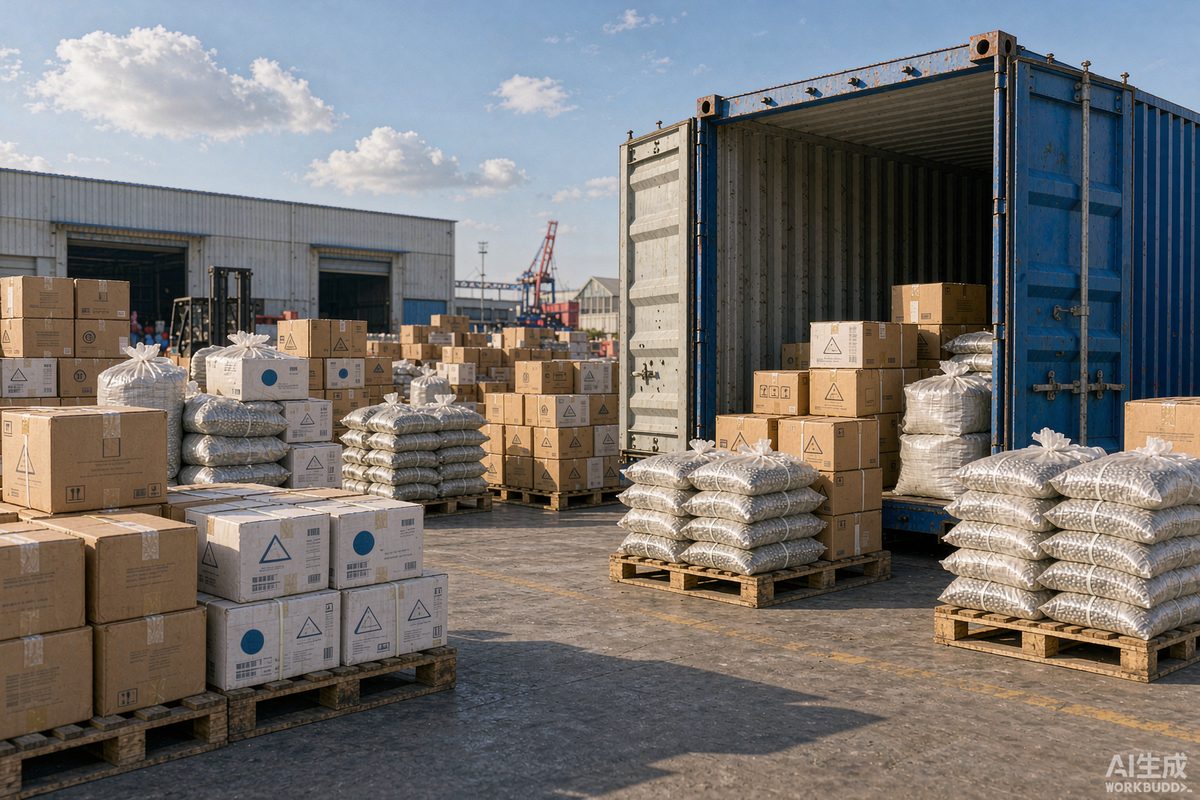
Typical formats are bulk cartons with inner polybags (by count or by weight), palletized for container loading. Retail channels use printed boxes or headered polybags. Confirm carton weight, pallet pattern and label requirements at the RFQ stage, since packaging affects both cost and container utilization.
What is the MOQ for construction nails?
MOQs vary by supplier, item and packaging format. Standard items in bulk packing usually carry lower MOQs than custom or retail-packed nails, where printing and packing setup drives the minimum. Discuss trial-order quantities openly — many suppliers accommodate a first container at standard specifications.
How can I get samples before ordering?
Submit your specification, target market and intended application, and request reference samples of the exact item. Most suppliers can send samples of standard items quickly; custom items may require a small tooling or sample fee. Use samples to verify dimensions, coating and finish before placing a bulk order. You can request a sample or quotation directly through our contact page.
Source Construction Nails from WANSUN
WANSUN, from Qingdao Wansun Technology Co., Ltd., supplies construction nails and related fasteners, iron wire, wire mesh and fencing products to importers, distributors and project buyers worldwide. We offer common, box, roofing, concrete, duplex and ring shank nails across a flexible range of lengths, gauges and finishes, including bright, electro-galvanized and hot-dip galvanized options. Specification customization, OEM packaging, pre-shipment inspection support and export-standard container loading are part of our standard service. Send us your product type, size, material, surface treatment, packaging, order quantity and destination port — our team will respond with a concrete quotation and realistic lead time.
Request a Quote | Send Your Specifications | Ask for a Sample | Contact WANSUN


