
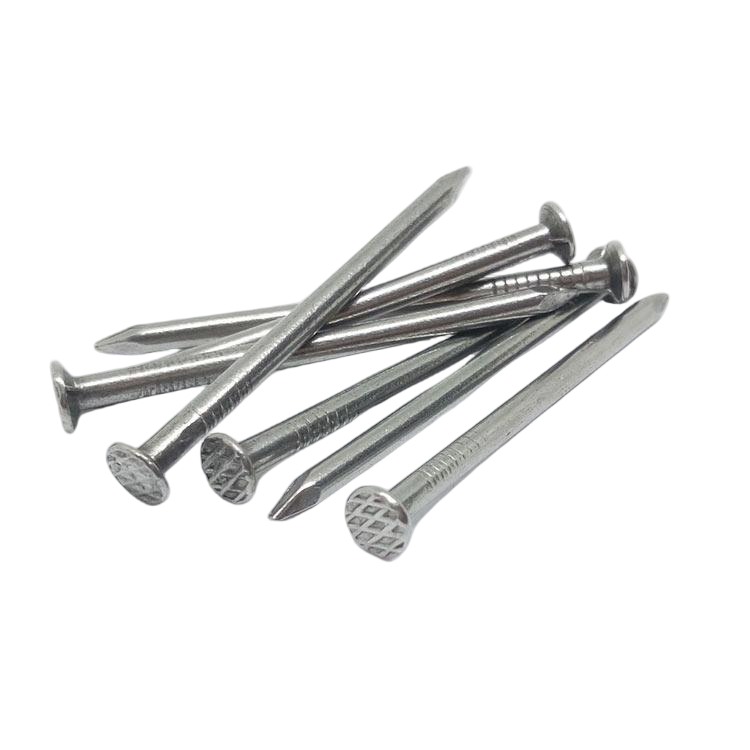
Galvanized nails are steel nails coated with a layer of zinc to improve their resistance to rust and corrosion. They are widely used in construction, roofing, fencing, woodworking, pallet manufacturing and other applications where nails may be exposed to moisture.
However, not all galvanized nails provide the same level of protection. The manufacturing method, zinc-coating thickness, nail material, shank design and intended application can all affect performance. For importers, wholesalers and construction material suppliers, understanding these differences is essential when selecting galvanized nails for a specific market or project.
What Are Galvanized Nails?
Galvanized nails are generally manufactured from steel wire and protected by a zinc coating. The zinc layer acts as a protective barrier between the steel and the surrounding environment. It helps slow down corrosion when the nail is exposed to humidity, rain or other sources of moisture.
Depending on the required performance and target price, nails can be treated using different galvanizing processes. The two most common types are electro-galvanizing and hot-dip galvanizing. Galvanized finishes can be applied to common nails, roofing nails, concrete nails, coil nails, fencing nails and specialty fasteners.
How Are Galvanized Nails Manufactured?
Steel Wire Selection
The process begins with steel wire selected according to the required nail strength, diameter and application. Wire properties influence nail hardness, bending performance, driving performance and final product consistency.
Wire Drawing
The steel wire is drawn through a series of dies until it reaches the required diameter. Diameter control directly affects the nail's shank size, strength and final weight.
Nail Forming
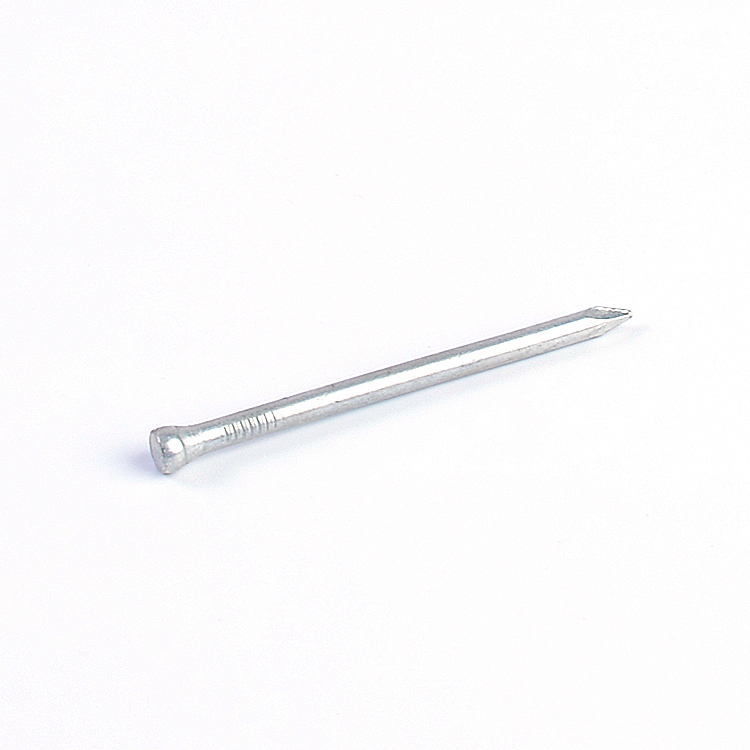
Automatic nail-making machines cut and form the wire into individual nails, creating the head, shank, point and required length. Additional processes can form ring, screw or barbed shanks.
Surface Cleaning
Before galvanizing, oil, scale and contaminants are removed. Proper cleaning helps the zinc coating adhere more evenly and reduces exposed areas.
Galvanizing
The nails are treated by electro-galvanizing or hot-dip galvanizing. The selected process influences coating thickness, appearance, corrosion resistance and cost.
Inspection and Packaging
Finished nails are inspected for dimensions, surface finish, point shape, head formation and package weight. Packaging may include small boxes, bags, cartons, wooden cases, pallets or bulk packs.
Electro-Galvanized vs Hot-Dip Galvanized Nails
The galvanizing method is one of the most important purchasing considerations.
| Feature | Electro-Galvanized | Hot-Dip Galvanized |
|---|---|---|
| Process | Zinc applied through an electrolytic process | Nails immersed in molten zinc |
| Surface | Smooth, bright and uniform | Thicker and sometimes less smooth |
| Zinc protection | Generally lighter | Generally heavier |
| Corrosion resistance | Dry or mildly humid conditions | Outdoor and moisture-exposed applications |
| Cost | Usually lower | Usually higher |
| Typical uses | Furniture, indoor woodwork, packaging | Roofing, fencing, outdoor construction |
Electro-galvanized nails may be sufficient for indoor products or limited exposure. Hot-dip galvanized nails are normally preferred for outdoor projects requiring stronger protection. Buyers should request the actual coating specification rather than relying only on the word 'galvanized.'
What Types of Galvanized Nails Are Available?
Galvanized Common Nails
A relatively thick smooth shank and flat head for general construction, framing, crates, pallets and timber fastening.
Galvanized Roofing Nails
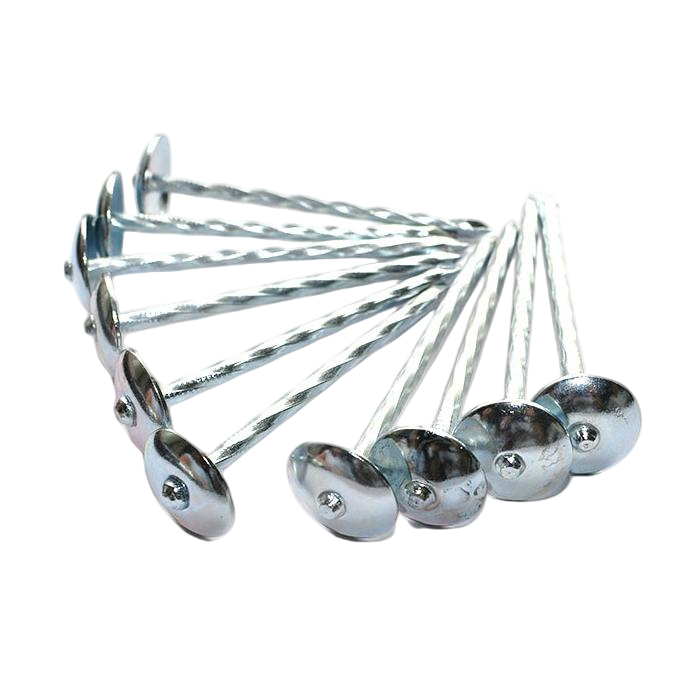
A large flat or umbrella head for roofing sheets, shingles and insulation boards; may include washers or collated configurations.
Galvanized Coil Nails
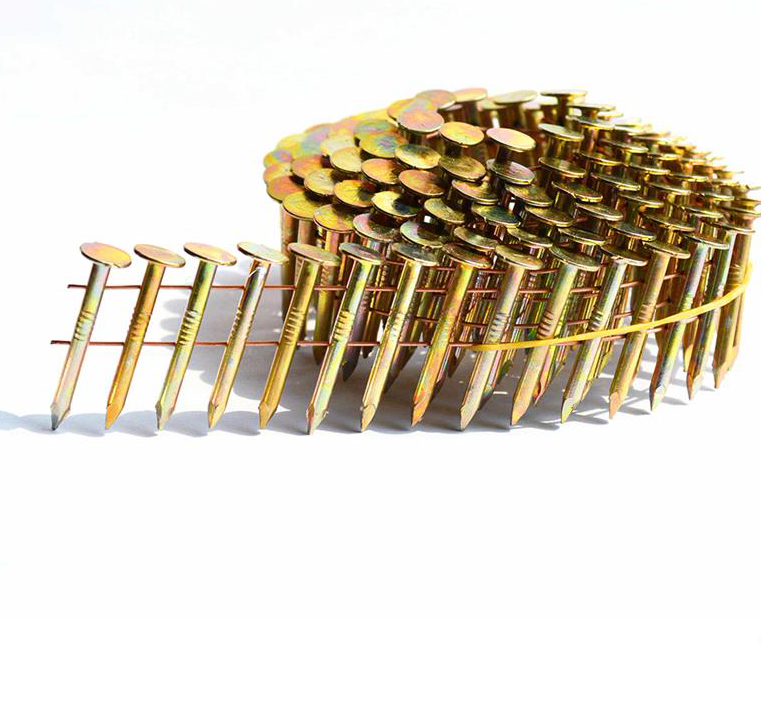
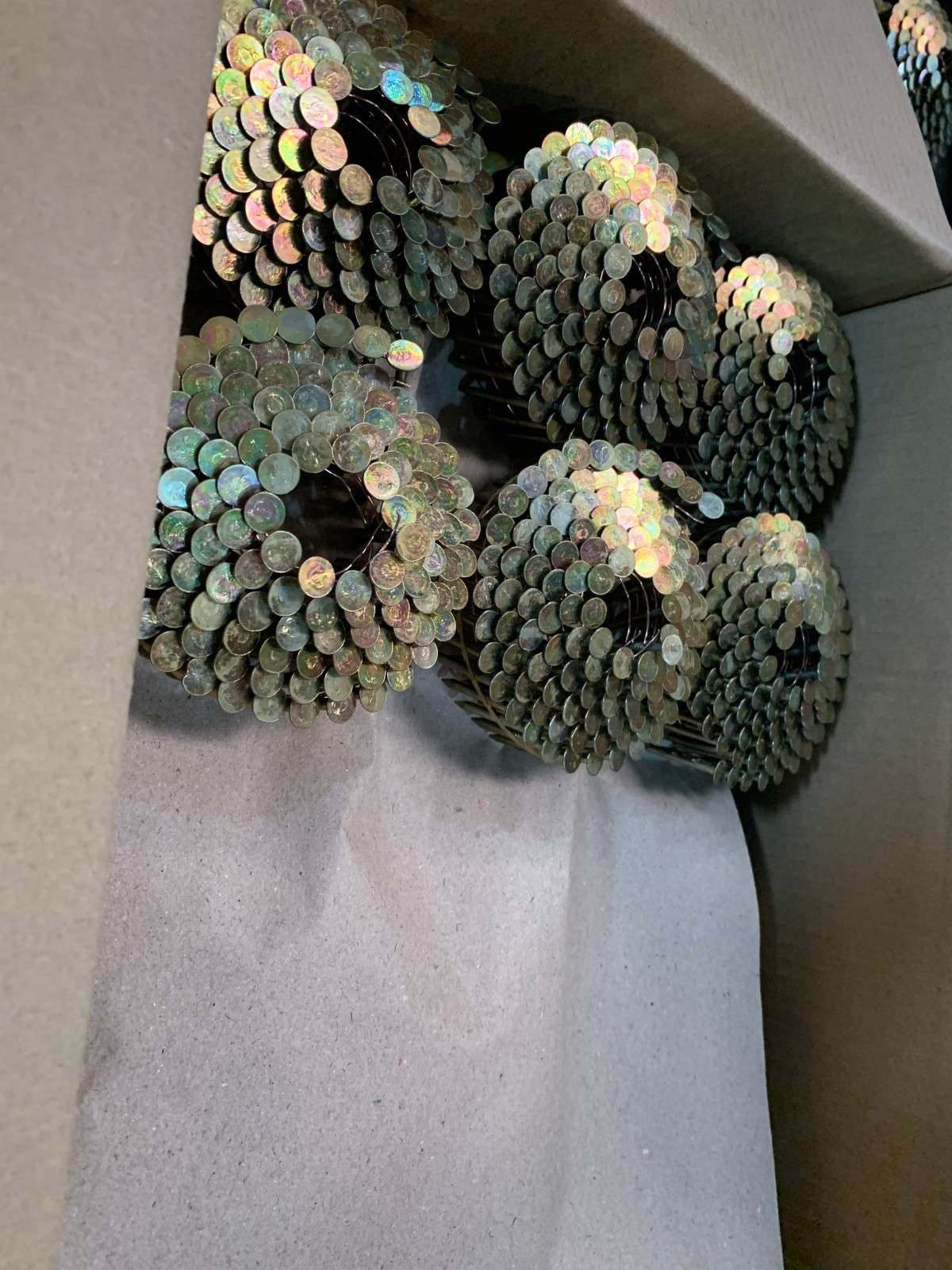
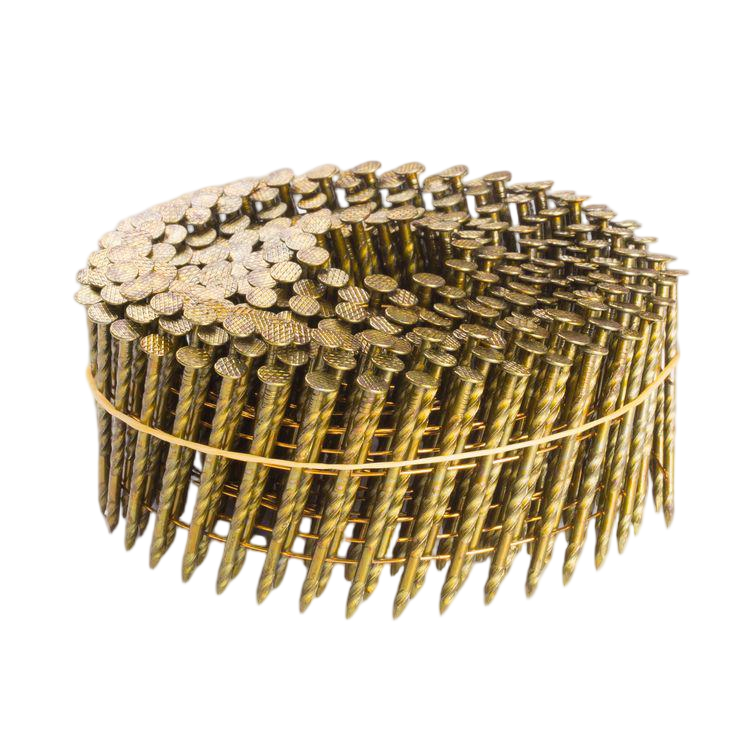
Wire- or plastic-collated nails for pneumatic tools, widely used in pallets, packaging, roofing, fencing and siding.
Galvanized Concrete Nails
Hardened fasteners designed for concrete, brick or masonry. Hardness and performance in the base material are critical.
Galvanized Fencing Nails
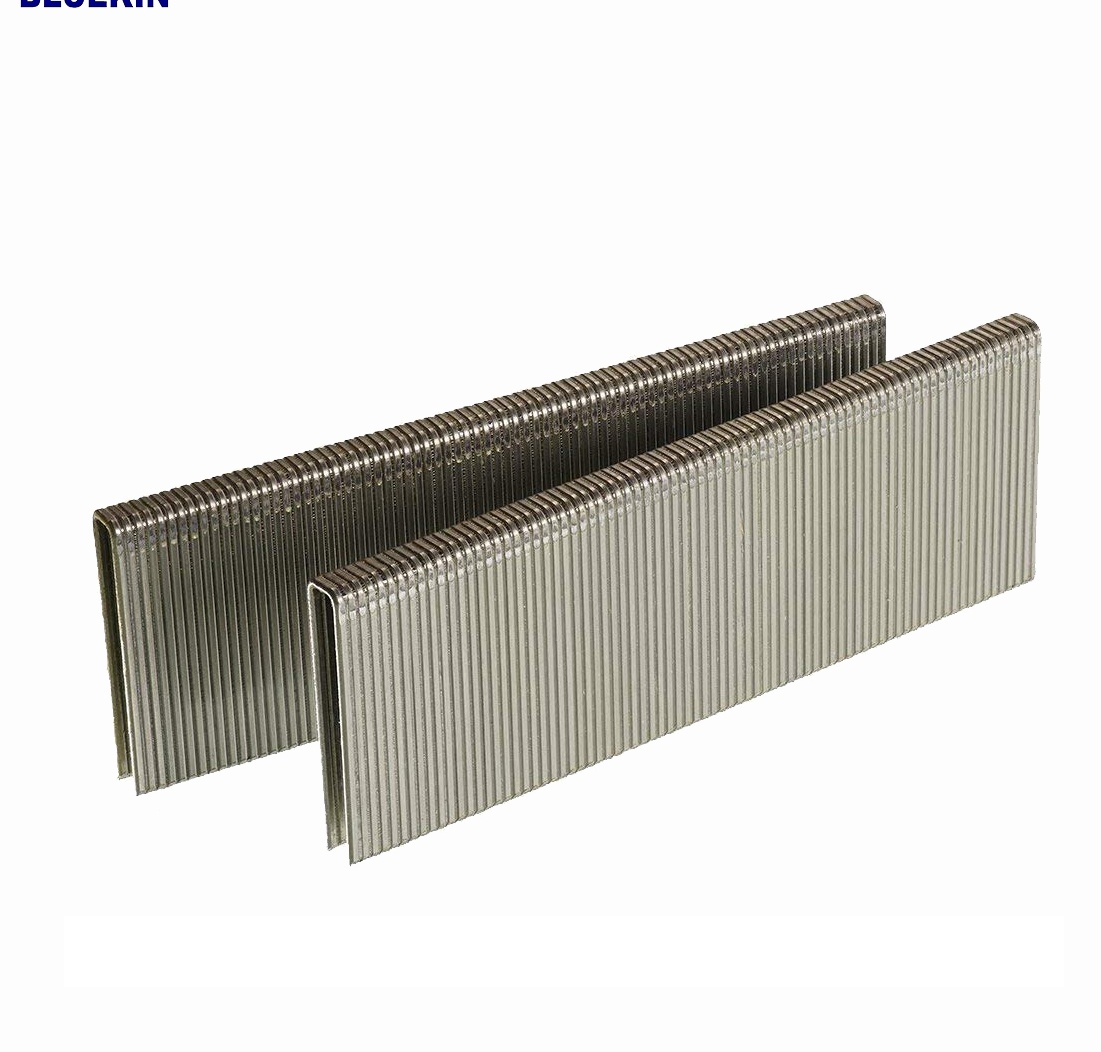
Common nails, U-shaped staples, barbed staples and collated nails used to secure wire mesh and timber fence components.
Galvanized Ring-Shank Nails
Annular rings increase withdrawal resistance in pallets, roofing, siding, flooring and timber structures.
Galvanized Screw-Shank Nails
A twisted shank can improve holding performance in certain hardwood, pallet and heavy packaging applications.
Where Are Galvanized Nails Used?
Construction
Timber framing, roofing, siding, wooden structures and general installation work.
Roofing
Fastening roofing sheets, shingles and other components; head, shank and washer must match the roofing material.
Fencing
Fastening wire mesh and timber components exposed to rain, humidity and temperature changes.
Pallets and Wooden Packaging
Coil, ring-shank and screw-shank nails used where production speed, holding strength or surface protection matters.
Furniture and Woodworking
Electro-galvanized nails can suit furniture and cabinetry where a smooth appearance and limited exposure are expected.
Agricultural Applications
Livestock fencing, enclosures, trellises and farm structures.
How to Choose the Right Galvanized Nails
Nail Length and Diameter
Specify overall length, shank diameter or wire gauge, head diameter and dimensional tolerance. Both metric and imperial measurements may be required by the destination market.
Head, Shank and Point
Match the head to the material and installation tool. Common choices include flat, umbrella, checkered, countersunk, clipped and offset round heads. Shank and point geometry affect penetration, timber splitting and holding performance.
| Shank Type | Main Characteristic | Typical Application |
|---|---|---|
| Smooth | Easy to manufacture and drive | General construction and packaging |
| Ring | Increased withdrawal resistance | Pallets, roofing, siding and timber |
| Screw | Twisted profile for stronger holding in some woods | Hardwood, pallets and heavy packaging |
Galvanizing Method and Coating Requirement
Choose the finish according to indoor or outdoor use, humidity, expected service life, contact material, local requirements and customer price range. A purchase order should define the coating method and, when relevant, coating mass, thickness or applicable test method.
Base Material Compatibility
Treated timber and highly corrosive environments can require a more durable fastener system. In demanding coastal, chemical or continuously wet conditions, an appropriate stainless steel grade may be preferable. Always check project specifications and local building requirements.
Packaging
- Quantity per box and net/gross weight
- Inner and outer packing
- Carton strength and moisture protection
- Pallet dimensions and stability
- Shipping marks and barcode requirements
- Container loading quantity
Galvanized Nails vs Stainless Steel Nails
| Feature | Galvanized Nails | Stainless Steel Nails |
|---|---|---|
| Material | Steel with a zinc coating | Corrosion-resistant steel alloy |
| Cost | Generally lower | Generally higher |
| Protection | Depends on coating type and condition | Corrosion resistance throughout material |
| Outdoor use | Suitable with the correct coating | Preferred for more severe exposure |
| Typical market | Construction, roofing, fencing, packaging | Coastal, premium timber, demanding exterior work |
Galvanized nails are often the economical choice for general construction. Stainless steel nails may be more appropriate where long-term exposure or material compatibility creates a higher corrosion risk.
How to Inspect Galvanized Nail Quality
Dimensional Inspection
Check nail length, shank diameter, head diameter, point dimensions, coil angle where applicable, and quantity or weight per package.
Surface Inspection
Look for uncoated areas, excessive zinc buildup, peeling, rust, sharp projections, contamination, bending or damage. A rough hot-dip surface does not automatically indicate poor protection.
Coating Inspection
Depending on the agreed specification, tests may examine coating thickness or mass, uniformity, adhesion and corrosion resistance.
Driving Test
Drive samples into the intended material to evaluate head strength, bending, breakage, point performance, coating damage and holding performance. Collated nails should feed smoothly through the intended tool.
Packaging Inspection
Check carton strength, pack weight, labels, pallet stability and moisture protection, particularly for sea freight.
What Information Should Be Included in an RFQ?
- Nail type
- Nail length
- Shank diameter or wire gauge
- Head type and diameter
- Shank design
- Point type
- Electro-galvanized or hot-dip galvanized finish
- Required coating specification
- Packaging requirements
- Order quantity
- Applicable standard or drawing
- Destination port
- Intended application
A sample, technical drawing or reference photograph can reduce misunderstandings when purchasing customized nails.
How to Choose a Galvanized Nail Supplier
A reliable supplier should provide more than a low unit price. Evaluate whether the supplier can offer:
- Stable wire and raw-material sourcing
- Consistent nail dimensions
- Controlled galvanizing processes
- Batch inspection
- Customized packaging
- Nail-gun compatibility testing
- Samples before mass production
- Export documentation
- Reliable production lead times
- Clear handling of quality claims
For distributors and wholesalers, consistency is especially important because dimensional or packaging changes can cause complaints across multiple markets.
Frequently Asked Questions
Do galvanized nails rust?
Galvanization reduces corrosion but does not make a nail completely immune to rust. Performance depends on the coating, environment, installation damage and expected service life.
Are galvanized nails suitable for outdoor use?
Yes, when the galvanizing method suits the exposure. Hot-dip galvanized nails are generally more appropriate than lightly electro-galvanized nails for outdoor or moisture-exposed applications.
What is the difference between galvanized and bright nails?
Bright nails normally lack a protective zinc coating and are commonly used in dry indoor applications. Galvanized nails provide added protection where moisture may be present.
Can galvanized nails be used in treated lumber?
Compatibility depends on the timber treatment, coating specification and local requirements. Follow the wood-treatment supplier's recommendations and applicable standards.
Are hot-dip galvanized nails better?
They generally provide heavier zinc protection, but they are not necessary for every application. Electro-galvanized nails may suit indoor products where appearance and cost matter more.
Which galvanized nails are suitable for pallets?
Coil nails with ring or screw shanks are common. The final choice depends on timber, pallet design, nail gun and required holding performance.
Can galvanized nails be customized?
Manufacturers can commonly customize dimensions, head, shank, point, finish, collation and packaging, subject to production feasibility and minimum order quantity.
Source Galvanized Nails from WANSUN
WANSUN supplies nails, steel wire, wire mesh and fencing products for importers, wholesalers, distributors and project buyers. Send us your required size, head and shank design, surface treatment, packaging, quantity and destination market to receive a product recommendation and quotation.


